
One of the pieces of advice I hear the most often is to ‘write what you know’. This doesn’t necessarily mean you can only write autobiographies (obviously) and it also doesn’t mean you can’t explore a concept that’s new to you. I’ve pondered over this sentiment for a while now and below are my thoughts and observations as this advice applies to my current work.
Pull from your own experience. Sometimes I read a passage that’s so off-the-wall and specific, it makes me ask myself ‘how the hell did they come up with this?’ Most of the time, the writer didn’t- it happened to them and made its way onto the page.

A great example of this is Stephen King’s From A Buick 8. He’s described how the idea for this story came to him in basically the exact way the book starts: he stopped at a gas station to gas up and use the bathroom, getting distracted momentarily by a nice creek out back. He got a little too close and almost fell in, which made him wonder- what if he had fallen in? How long would it take the attendant to wonder where he’d gone, his car still parked at the gas pump? What would become of his car if he didn’t return? Pulling from his real experience and an errant thought, Stephen King pulled a story idea literally out of his own life.
This is how I built the basic idea of my first novel, The Silverwing. Obviously, I’m not a sailor rebelling against an evil Empire (unless you count my valiant efforts to avoid ordering from Amazon), but I did find myself wondering one morning how a fictional head of state might react to finding a ghost ship that was supposed to be carrying important state secrets? That’s where the idea seeded and look what it turned into- 117,000 words of bloated hero’s journey fantasy!
Put pieces of yourself and the people you’ve known into your characters. It is obvious to anyone who knows me personally that the main character of The Silverwing is, at least physically, basically a carbon copy of my husband- thin, curly brown hair, shy. I’ve become so attached to Captain Riggs not only through his development journey we’ve been on together, but because there are pieces of him that are tied to my own reality.
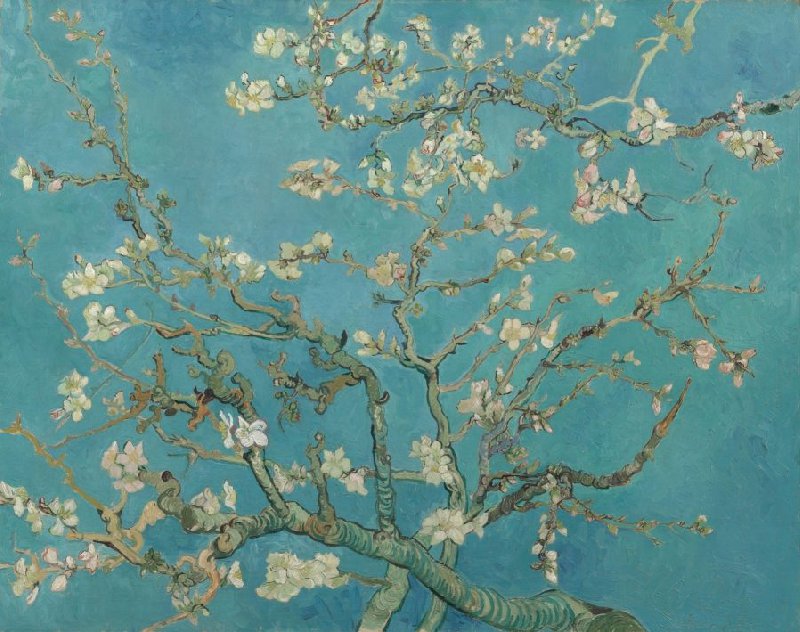
Another example can be found in Father Cruz (in progress), in the character of Ezra. This character has been through a serious trauma amidst a toxic, loveless relationship. Now, when I’m writing, there’s not a lot of conscious thought going on. As I wrote a scene explaining the loveless, grinding against each other aspects of this relationship, I pulled directly from my own experiences in that arena without even realizing I was doing it. Ezra’s ex, Armand, is almost entirely just my toxic ex, down to the way he scorns anything popular and well-known. Ezra’s favorite painting is Almond Blossom by Van Gogh (oh look- another piece of myself!) and a canvas printing of it comes to represent the value he must find in himself- hence why in the scene where Father Cruz first enters Ezra’s house, he sees Almond Blossom hanging on the wall and knows right away that this is sacred to Ezra, that it is him.
All these pieces I’ve borrowed from myself and others are real, and using those real pieces will make your characters seem more real.
Use your writing as a way of achieving catharsis. Writing and art in general is the place to explain how you feel without having to explain how you feel. In paintings, we translate the wordless emotions inside us into visuals. The same thing can be done in our writing. Poetry is a fantastic way to do this, since really, there are no strict rules to poetry- it’s like a painting made of words.


But we are not limited to poetry (I’m awful at it), thankfully. Use the conflicts, emotions and anxieties that roll around in your head and express them in your plots or characters! This is literally what Stephen King professes to do- he writes his worst fears (losing a child, losing his wife, hurting his family, etc). After all, art is the way we, as humans, process our fears.
This doesn’t have to only apply to horror, either. Something that troubles me often when I’m trying to sleep at night is the way world governments wage war with one another over things that really only exist as an ideal- freedom, liberty, etc. I often find myself thinking of the men and women who die in these wars, and I wonder how often they question why they’re fighting and who for. This was planted in my brain when I read Johnny Got His Gun in high school- that book changed the way I saw war.

I’m expressing and feeling out this idea in The Silverwing, having Captain Riggs go on this journey of realizing the world isn’t what he thought it was, that sometimes we fight others simply because we’re ordered to do so. His inner monologue is really my inner monologue.
Don’t get caught up worrying about what you don’t know. That’s what the editing process is for. While I do have some basic knowledge about medieval-era ships gleaned from other fictional sources, I have no idea how to sail a ship or rig a sail. And you know what? 99% of my readers won’t either.

If you have an idea you really like- a setting with which you’re not intimately familiar, a character’s job that you’ve never worked yourself, a relationship dynamic with which you have no personal experience- that’s okay. You are the creator of this story. If you get something wildly wrong, that’s what editors and proofreaders are for. Your job is to write the story that you can feel coming out of you like an overdue baby.

So don’t let yourself get caught up in the parts you don’t know, like specific technical words your character might need to know working the job they have. The easiest remedy- just don’t put your character in a situation where you’d need to have that knowledge! In The Silverwing, I never go into detail about how the sailors actually move the ship, because I don’t effing know! That kind of information has nothing do with Captain Riggs questioning the world he thought he knew.
Don’t shy away from a narrative that excites you just because you don’t know everything about it. Do a little research if you’re starting from square one, check out a relevant book from the library, do some Googling. But don’t discount an idea because you think you don’t know enough to write it.
The best books are the ones that have the writer’s blood and tears ingrained into them. A cliché story is cliché because it’s a story that’s already been told before with the same kinds of characters, but no real human life is exactly the same as any other. Your experiences are what make you individual, and they are what will make your reader not only enjoy your story but feel like at the end of it all, they know you. And that’s the connection we’re all striving for here. Otherwise, why share our words with the world? When you share your words, you’re also sharing your world.

Happy writing!
This content was written and created by a human, without the use of any artificial intelligence tools. The authors do not authorize this article’s usage in training AI tools. We proudly support the original works of creators and individuals over technology that steals and manipulates original content without consent of creators.

 Pen and Sword Blog
Leave a comment