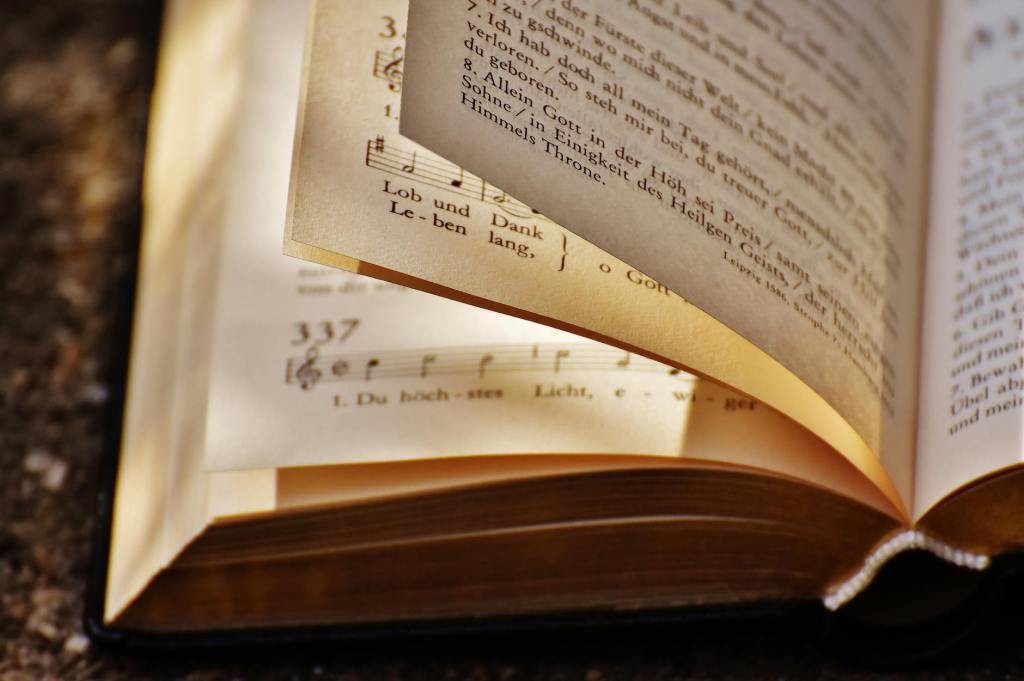

See what I did there?
If you’ve looked at my bio, it’s pretty clear that I enjoy working between the styles of prose and poetry. I often find my style towing the thin line. Alliteration is a frequent toy I’m often tempted to tamper with. Simile and metaphor are as important as the words we write with. And I could go on for hours about the millions of uses for hyperbole. All forms of figurative language have their place in writing, but often times there are ways that authors go deeper with their inclusion of poetic devices.
While telling my dad about starting up this blog, he asked me about the intersection between my two writing interests. Specifically, about any notable examples I could name where poetry played an essential role in a novel. He asked me if there were any poems in books that I felt were pertinent to the plot. Poetry in the traditional sense may not be super commonly incorporated in mainstream literature, but songs, which I consider to be in line with poetry, sure are.
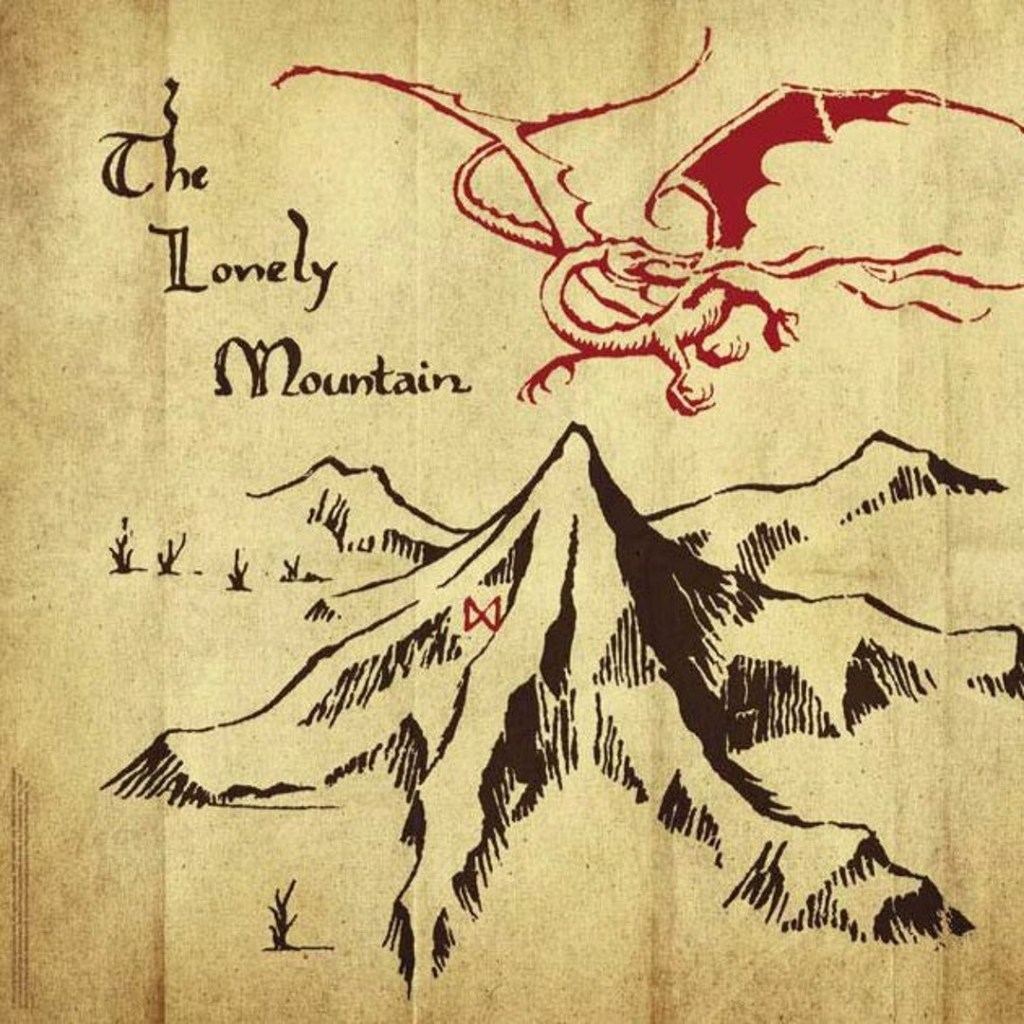
The first that came to my mind was J. R. R. Tolkien. One of the audio books we listened to with my dad as kids was The Hobbit, right after the first movie was released. We often laughed about the sheer number of songs sung by characters in the book, but you can’t deny how iconic the ‘Misty Mountain’ song became after the movie was released. I mentioned how perfectly that song sets up the mood and setting, giving a glimpse into the dwarves, their ancestral home, and the beauty and tragedy they have faced. Some of the songs may seen superficial, but others, like the goblins singing ‘Down, Down to Goblin Town’, also aid in adjusting the tone, adding humor, drama, and more insights into plot points.
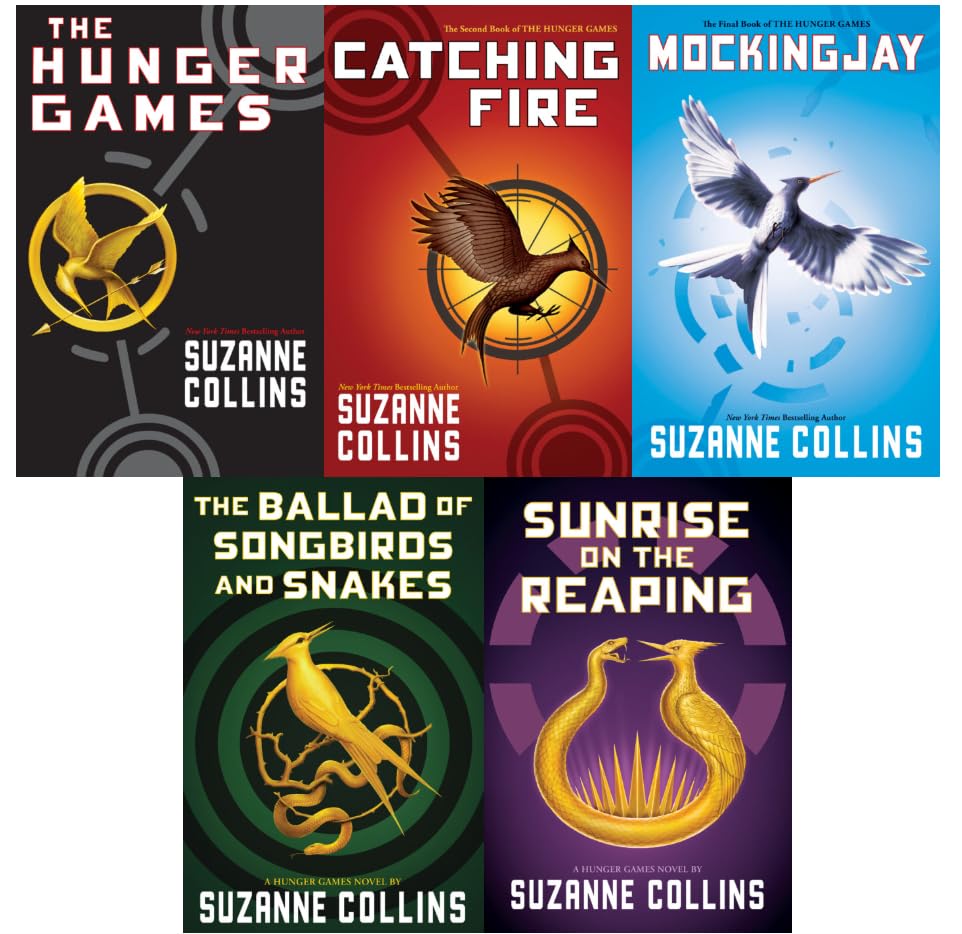
Another I talked about was The Hunger Games. My dad has read the original trilogy, and is well aware of the importance of ‘The Hanging Tree’ within the novels. Those of us who have read the two prequel novels know of other songs, and even the inclusion of Edgar Allen Poe’s The Raven. Songs play a powerful role in the series, often sparking revolutions and becoming rallying cries for the oppressed. It’s one of the most memorable symbols in the series, along with the mockingjay pin and the three finger salute. There is poignant symmetry between the original trilogy and A Ballad of Songbirds and Snakes, where we learn of the origin of ‘The Hanging Tree’, which came from Snow’s childhood dallying’s with District 12 victor Lucy Grey Baird. Just a few days after talking with my dad about this, I received my hold on Sunrise on the Reaping, which not only talks more about the covey and other forbidden songs in the Districts, but it heavily features lines from Poe’s The Raven, as I mentioned above. The last chapter of the book contains much of this haunting piece, efficiently symbolizing Haymitch’s overwhelming guilt and grief that drives him to alcoholism. Suzanne Collins does a phenomenal job incorporating song and poetry into this series as a whole.
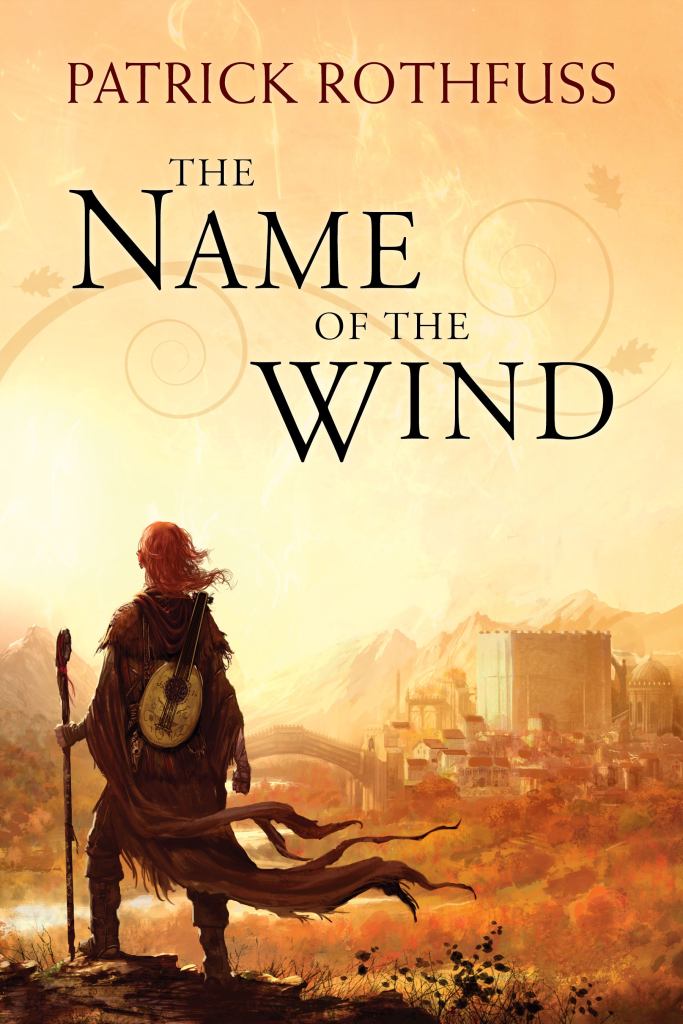
My dad and I both agreed that The Name of the Wind is another amazing example of this idea. So much of this book is about both poetry and music. You know. Because the main character is a bard. Patrick Rothfus has such a way with words, and Kvothe is nothing without his songs and tales. This is probably the most literal answer to my dad’s initial question about a book that needs its poems. The Name of the Wind without it would be like a feast without salt, spring without flowers and budding leaves, my life without books. Still possible, but pretty damn bland.
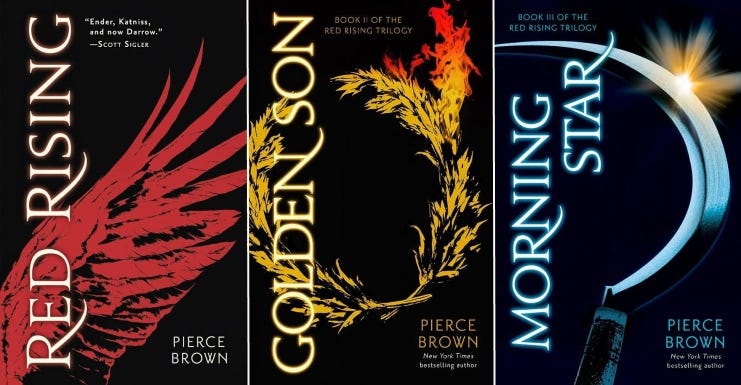
I just recently read Red Rising, and just like Hunger Games, there is another song that sparks some upheaval on Mars. Eo’s song is a beautiful piece of poetry, and I nearly cried when Darrow sang it to Mustang part way through the book. I’ve only read the first novel in this series thus far, but I can imagine the Red’s songs and dances will becomes more significant as the uprising and revolution continues. My dad hasn’t read this one, but don’t worry, I did recommend it to him.
At this time, our conversation steered to a slightly different topic (prose within prose, one of my biggest pet peeves (maybe more on that later)), but I continued thinking about examples of poetry I’ve seen in books. In Cassandra Claire’s Infernal Devices trilogy, Tessa and Will often exchange banter wherein they discuss classic literature and poetry. Will has many a poetic soliloquy where he laments his impossible love for Tessa, and I couldn’t imagine their relationship without their shared love of both poetry and prose. The Redwall series is another example where characters often break into song. Just like the feast scenes, they are maybe not necessarily pertinent to the plot, but they do wonders for the for the world building, aiding in the cozy vibes and warm feelings. And while looking online for additional examples, books by Mercedes Lackey, Ursula K Le Guin, and George R. R. Martin came up as well. While I haven’t read any of the books mentioned by these authors, I felt the need to include them here for anyone who may be interested in more examples of the poetic and musical.
So to answer my dad (and conclude this article), yes, there are some books that need it’s poetry and song. It struck me that none of my projects currently incorporate these elements I claim to love. Don’t worry, dear reader. I’ll be sure to remedy that soon.
And I’m not apologetic for all the alliteration.
This content was written and created by a human, without the use of any artificial intelligence tools. The authors do not authorize this article’s usage in training AI tools. We proudly support the original works of creators and individuals over technology that steals and manipulates original content without consent of creators.

 Pen and Sword Blog
Leave a comment