

For anyone who’s ever tried writing as either a hobby or profession, the experience of writer’s block and burnout are known by all. Having the right reaction and tools to handle this inevitability is possibly the most important component of your tool chest.
My favorite piece of advice related to self-care is to treat yourself like a toddler. Whether you have children or have ever been around them, you know that the key to taking care of them is constant check-ins. Not only does this give you a read on the kid’s status, it allows the child to think critically about their needs as they affect them, increasing their sense of self.

So how does this apply to your writing process?
Treat yourself like a toddler. Do check-ins with yourself before sitting down to write, or if you find yourself resistant to the idea. Are you in a creative headspace? Do you feel inspired? Does your brain feel pregnant with plot and prose? If the answer is no, DO NOT get upset with yourself. If you ask a toddler if they need to use the bathroom and they truly do not, you wouldn’t get upset with them for not requiring a bathroom trip.
If you check in and find that you’re not feeling creative, or are perhaps unsure how you are feeling, be gentle with yourself. You are not a machine. You do not have a required output. Even if you are a professional writer with deadlines, becoming angry with yourself is absolutely NOT going to be constructive. It certainly won’t magically make you able to write.
Instead, treat yourself like a toddler. Be gentle with yourself. Give yourself the room to explore what’s in your head and understand what’s getting in your way. Maybe you wrote yourself into a corner. Maybe you don’t know how to connect to your next plot point, or you don’t even know your next plot point. If you plop yourself down in front of your document and stare angrily at the blinking cursor, you’re not giving yourself the room you need.

Sometimes when a toddler is angry or throwing a tantrum, the answer is simple, a need gone unfulfilled, disguised as the end of the world. Did you not get a treat you thought you deserved? Is there something you’re wanting that is an easy fix? It sounds dumb, but treating myself to something small that I want can make me feel more at ease and able to decode my own feelings a little easier. This could be as simple as grabbing your favorite treat from Starbucks, watching an episode of a comfort show, or laying on the floor with your cat.
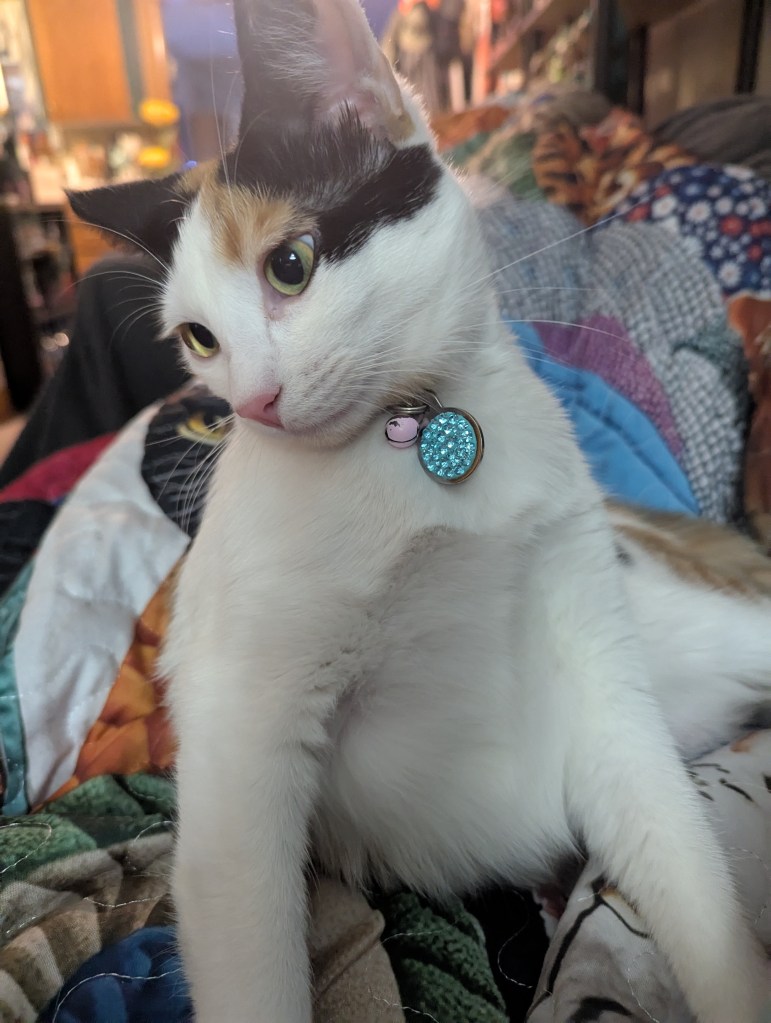
Showing patience and understanding with yourself is very important to your mental wellbeing, and this, I have found through experience, has a major impact on your writing quality and habits.
Another thought process I’ve found that helps me to understand my writing abilities is to think of your brain like an engine.
It’s commonly stated in the literature community that all writers must also be readers. Generally, someone aspiring to be a writer does so out of a love for the art of storytelling, so I’m going to assume that any aspiring writers reading this are also book lovers.
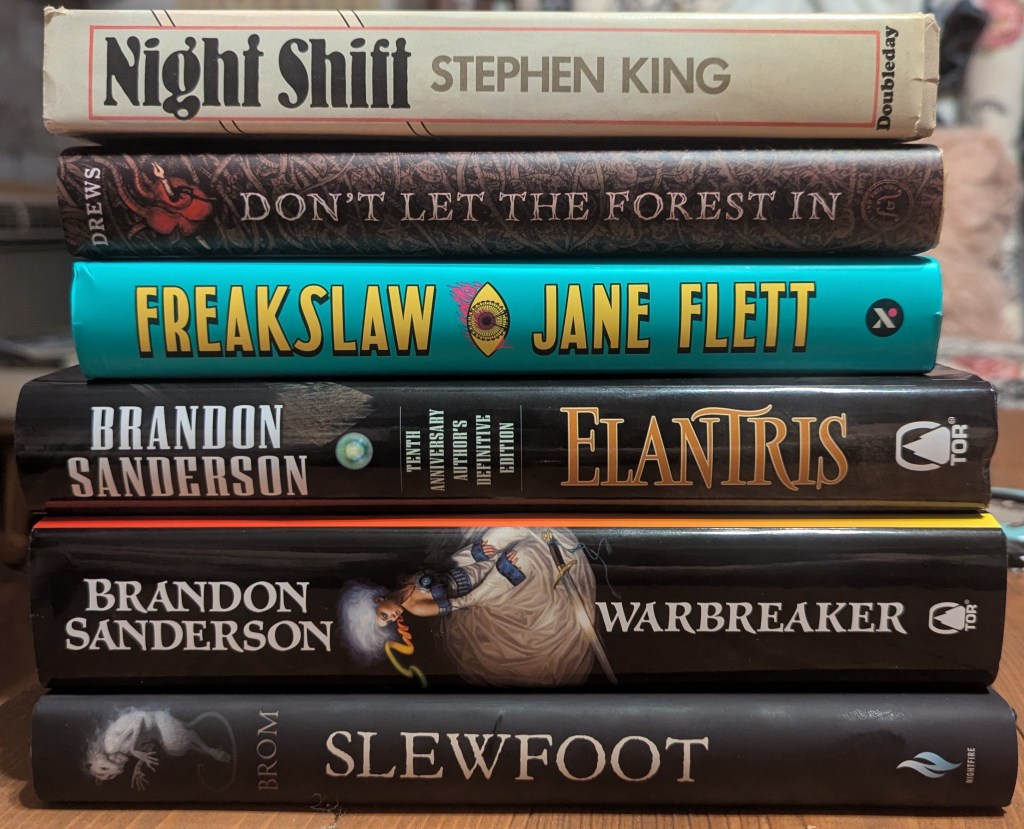
I have found over the two years since I began my writing journey that I require input if I want to achieve output. I am an engine. I am fed the words of others, and in turn I create my own words. Sounds a little cut and dry, but I swear it’s how my brain works. After a long period of just output (writing and editing), I find that I need to replenish my brain’s fuel and read several books. It literally feels like I’m at a gas station for brains.
The reverse is also true. When I devour books for a long period without any writing, I will find myself, every time without fail, suddenly one day pregnant with ideas that excite and motivate me.
Another tactic I’ve found useful during dry spells is to do something writing-adjacent. If you’ve written yourself into a corner or can’t find the connecting tissue to your next plot point, don’t worry about forward movement for a few days. Take a day to do some editing.
Go over chapters you haven’t read in a while, get some satisfaction out of correcting your grammar and sentence structure. Fix clunky dialogue, find your comma splices. This is my go-to when I feel like my well is dry but want to make some progress. And, 75% of the time, reading back over my material to edit will reignite my love for that story and get my brain in gear, and an editing session will often turn itself into a writing session.

Another writing-adjacent activity that can get the wheels turning is to discuss your writing with others. If you have a writing buddy or a friend with whom you share your work, pick out a scene you thought was good and send it to them for feedback. If you don’t have this, turn to online communities (with reasonable caution). Make an Instagram post discussing something writing related- the books that inspired your story, your favorite type of prose, your favorite genre cocktail combination. This puts your brain in the right headspace without the pressure of a blinking cursor. Writing posts for this very blog is one of my favorite writing-adjacent activities that gives me real satisfaction and inspires me when I’m feeling intimidated by lack of progress in my projects.
I’ve talked about free writing before, and this is a great option for many who feel they are in a slump. Make it a no-pressure exercise for fun. Get either a journal or dedicate a folder on your computer for free writes. Set a ten-minute timer and don’t stop putting words down the entire time, even if you’re writing nonsense. On occasion, a free writing session has turned into the beginning of a short story or novel idea for me. Half the time you’ll find yourself ignoring your buzzing timer.

We are people, not machines, no matter what the industry makes you feel. We are also all different and there is no one answer to the things that hold us up. As you progress in your writing journey, take the time to listen to yourself, to notice your own patterns and see if you can anticipate them. If you find that you always write more and for longer after a hearty meal of books in your favorite genre, make sure you’re allowing yourself time and space to do so as often as needed.
Writer’s block and burnout are a universal experience for artists of all kinds. Visual artists go through dry spells where they feel no inspiration. Designers and decorators often feel overwhelmed and burnt out. And every writer gets writer’s block, even Brandon Sanderson. It’s a normal part of the process, and talking down to yourself about it is the least constructive solution.
Treat yourself like an overwhelmed toddler. Take breaks, recharge your batteries, pet your animals. If you’re equal parts writer and reader, gorge yourself on books. Fill that engine with words. Do something related to writing that’s lower pressure.
Writing is like friendship, yes, you cannot force it or it will feel fake, imitative. In cruder terms, it’s also like a fart. Forcing it will usually just lead to shit.

Happy writing!
This content was written and created by a human, without the use of any artificial intelligence tools. The authors do not authorize this article’s usage in training AI tools. We proudly support the original works of creators and individuals over technology that steals and manipulates original content without consent of creators.

 Pen and Sword Blog
Leave a comment