
If you suffer from bibliomania like me, you may be entitled to compensation.
You’ve probably also noticed in your strolls through the book aisle of every store you enter that trends are getting easier to recognize. I don’t mean trends like fads that people blindly follow. I mean it in the way that one genre, style, cover design prevails and becomes popular for some time before dropping off and being replaced by something else. Anyone who even knows what the word “marketing” means is aware that in a consumer field, once something is successful, it is often emulated, reproduced, or expanded upon.

The Rising Relevance of Short Stories
A trend I’ve been seeing in bookstores the past few years is the resurgence of the short story collection. Everyone knows Stephen King is notorious for being king of the short story (get it), and his every-decade-or-so collection releases are received quite favorably compared to the usual selling success of short story collections.


But I’ve been interested and delighted to see other authors and groups of authors trying their hand at such publications. Collections by a single author that I’ve seen in my orbit are Olivie Blake’s Januaries, Ronald Malfi’s Ghostwritten, and Sayaka Murata’s Life Ceremony.
Collective compendiums are also on the rise with several collections achieving great success, such as Never Whistle at Night, Out There Screaming, The Book of Queer Saints, and the upcoming The End of the World As We Know It, for which I’ve discussed overflowing excitement in this post.


Why does this previously outdated medium seem to be making such a popular comeback?
I don’t know, I’m not a statistician.
Here’s why I think it’s making a comeback.
The Function of Short Stories – Readers
Keep your opinions on the attention span of the younger generation to your Facebook posts, if you will. But many will agree that our current consumer habits reflect an emphasis on (buzzword incoming, sorry) instant gratification.
I’m not going into that, just Google it if you don’t know what it means. I’m not here to criticize modern society, I’m here to talk about books.
As part of the younger generation, I can say though that any sort of easily achievable dopamine burst is something we value. The short story collection is a great way for a bookworm to get the nice satisfaction of completing something in a short amount of time.

I also love a short story collection as a palette cleanser.
Sometimes I get burnt out if I blow through too many audiobooks in a short time. When that happens, I feel like I can’t get into a story, and end up giving back my Libby copy after ten minutes of listening.
That’s right, I’m that awful. I pride myself on being honest on here.
A short story collection is a great way to clear your brain of burnout or a slump. The itch for a complete narrative capsule is scratched while not being too much of a time investment.
Speaking of time investment, another reason I think readers are leaning in this direction is we have a new and growing subgroup in the reading community of casual/ new readers. The influence of BookTok and book-related Instagram pages has brought the joy of reading to groups of people that otherwise would never have been enticed. Say what you want about the evils of social media, but at least it’s getting more people to read books.

These casual readers are less likely to be purchasing 800-page hardcovers, or investing time and money in an eleven-book high fantasy series. Believe it or not, reading can be just a casual hobby for normal people.
Short story collections are a great way for casual readers to have a good time without being intimidated by a doorstop book or a sprawling world that’s hard to keep track of.
The Function of Short Stories- Writers
Short stories, on the opposite side, serve a very useful and essential function for writers.
They serve a purpose that is much like the small gigs an aspiring actor will take to build their resumes and gain their union cards. An aspiring writer is (usually) much more appealing to prospective literary agents if they’ve got a few small publications under their belt to begin with. Generally, it shows that the writer is dedicated and driven enough to put in the work it takes to put themselves out there. Publishing short stories in literary magazines and submitting to short fiction contests are a great way to achieve this and polish up a query letter.

They also serve as a way to exorcise those little nugget ideas that come to us occasionally. Ideas for mini vignettes or characters come unbidden to my brain often, but most of them don’t have enough behind them to make it into a full-length novel or even a novella. The low pressure, small word count form of a short story can be the perfect outlet to explore that idea, play out the little event, meet a small character that doesn’t have a place in your novel.
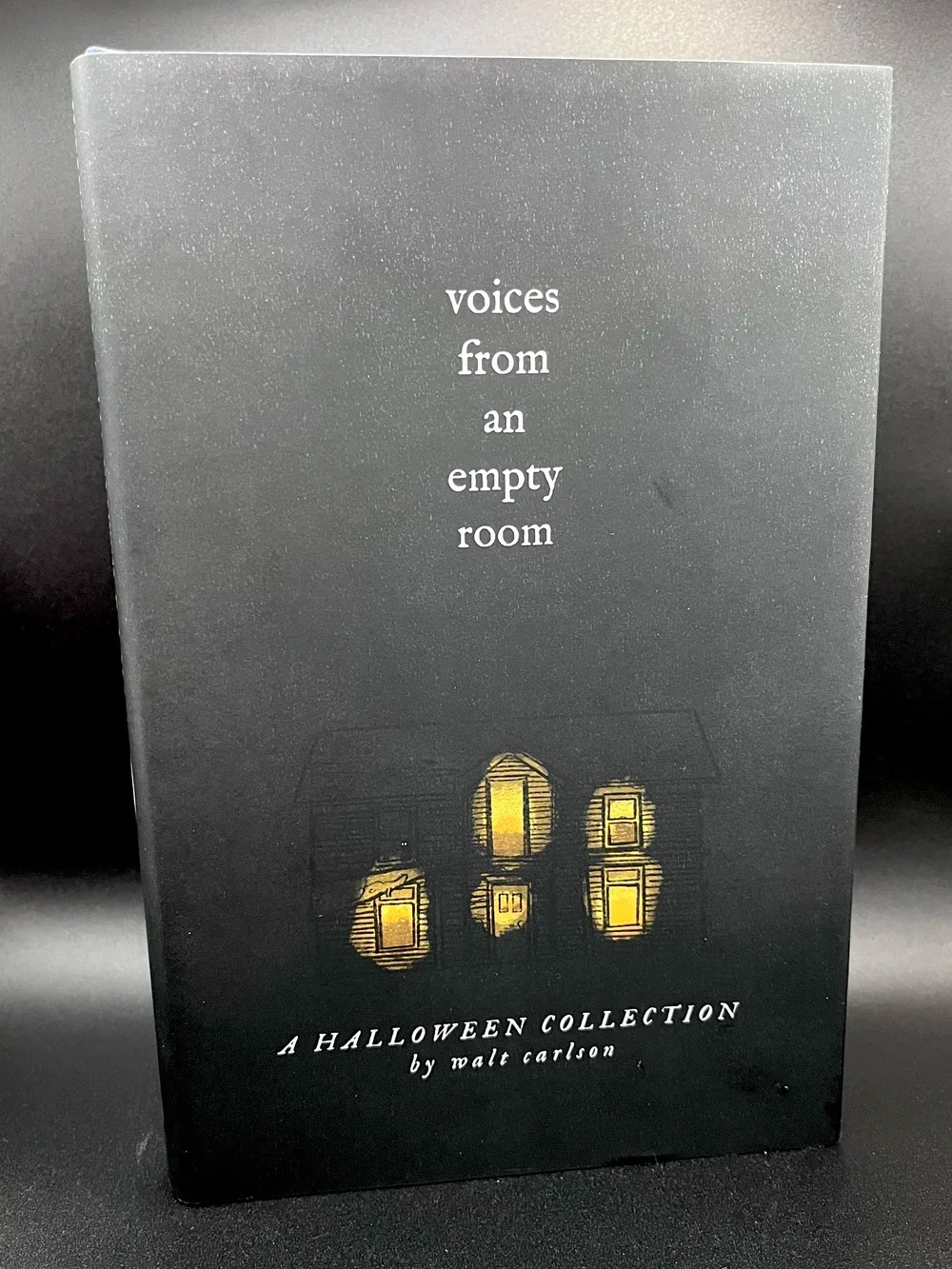
Plus, if you gather enough with a similar vibe and idea, you can self-publish a collection, like my cousin Walt Carlson did (check out his stuff, I’m related to some real talent)!
What Makes A Good Short Story?
First of all, “good” is completely subjective and my word is not law (no matter what I tell my husband). But here are the elements that my favorites usually contain.
- Self contained- The story should present a complete and satisfying narrative within its word count, and should not require any advance knowledge of its world or characters.
- Snapshot feel- The best short stories usually feel like a single episode of an anthology TV show (Two Sentence Horror Stories is an on-the-nose example), or a story told to a friend while drinking beers on a porch.
- Specific feel/environment- The most memorable short stories have a clear setting/feeling/idea throughout the whole story, like the way Stephen King’s 1408 in Everything’s Eventual feels claustrophobic and gives a heightened sense of unreality all the way through.
For Funsies- My Favorite Stephen King Short Stories
You know I’ll take any chance to talk about the works of Stephen King. Here are my favorite stories from each of his collections (not counting novella collections).
Night Shift (1978)
Night Surf
Trucks
The Ledge
Children of the Corn
The Woman in the Room
Skeleton Crew (1985)
Cain Rose Up
The Jaunt
Word Processor of the Gods
The Man Who Would Not Shake Hands
Beachworld
Nona
Survivor Type
Gramma
The Ballad of the Flexible Bullet
Nightmares & Dreamscapes (1993)
Dolan’s Cadillac
Popsy
Chattery Teeth
The Ten O’Clock People
Everything’s Eventual (2002)
Autopsy Room Four
The Road Virus Heads North
1408
The Death of Jack Hamilton
Just After Sunset (2008)
The Gingerbread Girl
Rest Stop
Stationary Bike
The Things They Left Behind
N.
Mute
A Very Tight Place
The Bazaar of Bad Dreams (2015)
All of them. Literally every single one. Except Blockade Billy. Too much baseball for a layman.
You Like It Darker (2024)
The Fifth Step
Willie the Weirdo
Danny Coughlin’s Bad Dream
Finn
The Turbulence Expert
Rattlesnakes
The Dreamers
Stephen King is a great place to start if you want to dip your toes into the world of short stories, but any of the collections I’ve mentioned in this article are highly recommended by me.
If you want to peruse some great stories online, here are my favorite horror literary magazines:
Check out the list of my short works here!
While I do love a thousand-page brick, I find great relief and enjoyment in the occasional short story collection, whether physically or in audio form. I highly recommend a collection to get you out of a reading slump, and I suggest trying to write a few of your own if you’re an aspiring author. It’s a lot of fun and a great way to introduce yourself to the literary world.

This content was written and created by a human, without the use of any artificial intelligence tools. The authors do not authorize this article’s usage in training AI tools. We proudly support the original works of creators and individuals over technology that steals and manipulates original content without consent of creators.

 Pen and Sword Blog
Leave a comment