

How’s everyone’s Horror Month so far? I couldn’t tell you how mine is, because I’m writing this in September! Greetings from the past!
Keeping on theme with the season, today I’m going to do a fun little dissection of some common horror movie creatures. I will not be saying anything revolutionary in here, this is just a for-fun, getting in the spirit (hehe) kind of post. Let’s get goin’!

The Players
I’ve selected the most popular creatures I could think of (and that I have some level of experience with). Up for discussion today are vampires, werewolves, spirits (ghosts/poltergeists/etc), demons, zombies, slashers, and folk gods.
The Criteria
I’m going to rank each creature on two traits: deadliness and scariness. Keep in mind these are entirely just my opinions and this is for fun. We’re here to have fun, damn it.
I’ll be ranking these two traits on a scale of 1-5, and the average of the two will be the creature’s overall score. Let’s see which creature comes out on top!
Vampires

My favorite examples: ‘Salem’s Lot by Stephen King, Nosferatu (2024), Let The Right One In by John Ajvide Lindqvist



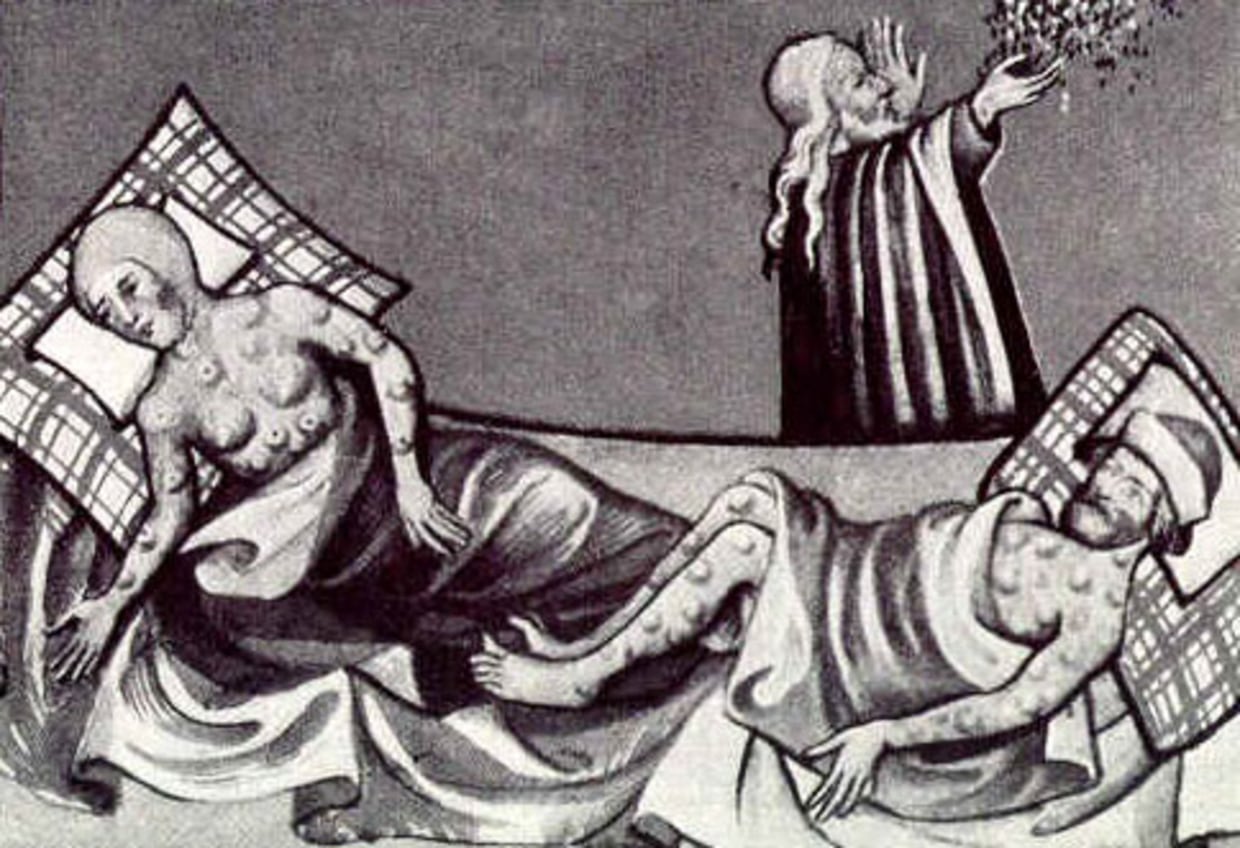
Vampires have been a common occurrence throughout human history. According to BBC, vampirism was often blamed for various sicknesses, including porphyria, which causes lesions when exposed to sunlight and whose symptoms can be temporarily lessened by drinking blood (Dowling). The development of the vampire cryptid was likely a fanciful explanation for such diseases and a physical scapegoat for the spread of disease, which is very high on the list of “things that threaten the human species”.
Deadliness: 3/5
While this varies widely depending on the specific lore you’re dealing with, vampires can often prove to be quite survivable, as they can usually be defeated by ordinary physical means, such as decapitation, immolation, and sharp things thrust through the chest.

They are also known to keep victims alive so they can drink from them again, and are seen to occasionally come to care for and want to protect humans.
Scariness: 3/5
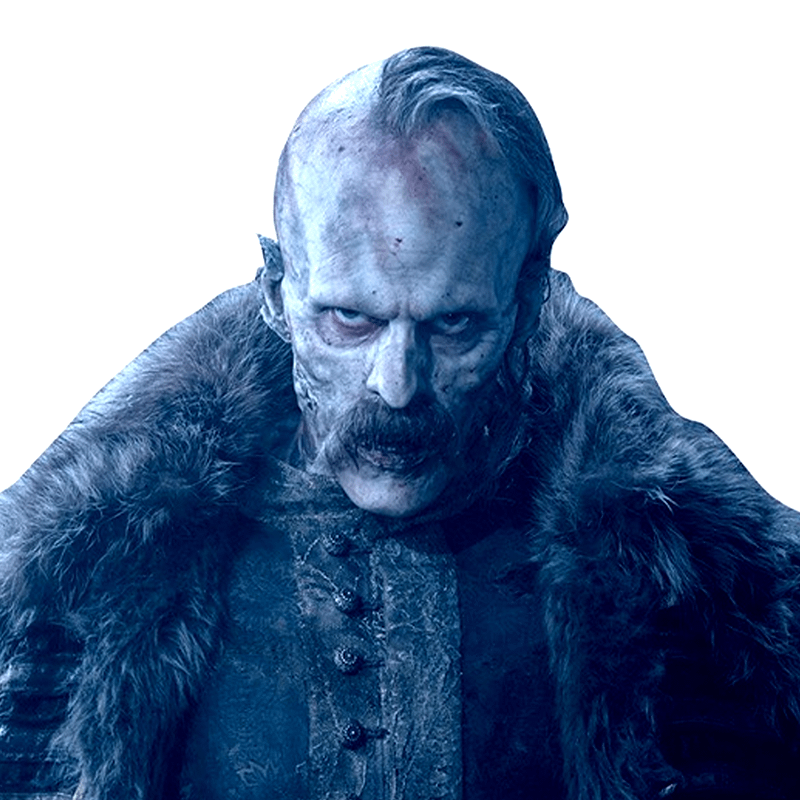
This one is very dependent on the lore we’re using, so I put this in the middle. On one end, we’ve got Stephenie Meyers’ vamps who are way too sexy to be scary, and on the other side we’ve got Nosferatu’s vamps, which literally made me scream in the theater.

Werewolves
My favorite example: Madison from Supernatural Season 2 Episode 17, “Heart”

In the same BBC article by Dowling mentioned above, it is suggested that werewolves came about as an explanation for rabies and other diseases incurred by proximity to animals. Humans being part animal are a commonly occurring phenomenon in nearly every culture in the known world, so the conjuration of such a creature as the werewolf is no surprise.
Deadliness: 3/5
Aside from sharp claws and teeth, werewolves (usually) possess very little supernatural ability, so I’ve placed them in the middle for deadliness. According to most lore, they can also be killed by ordinary physical means, usually being pierced by some form of silver weapon.
Scariness: 1/5
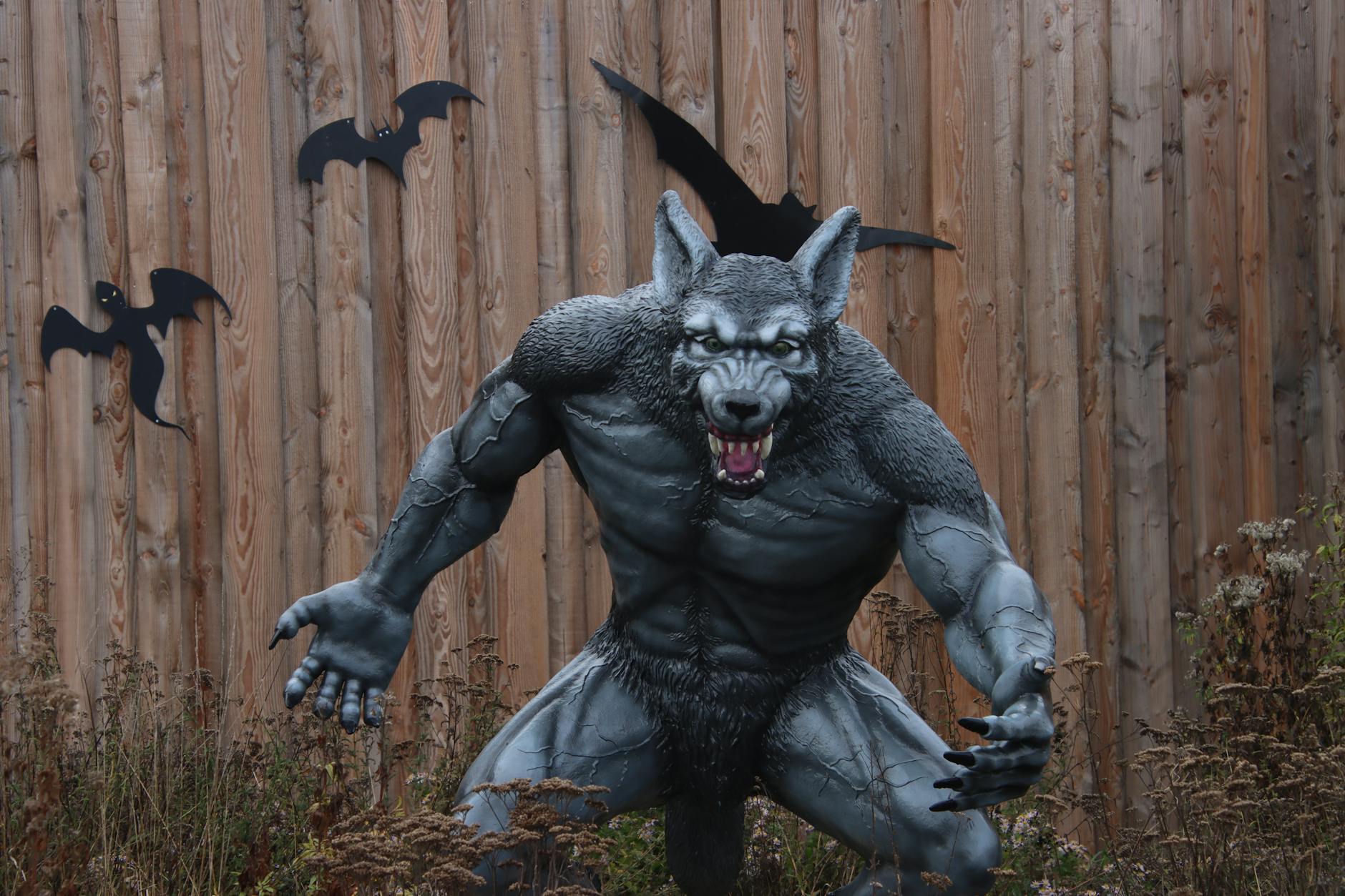
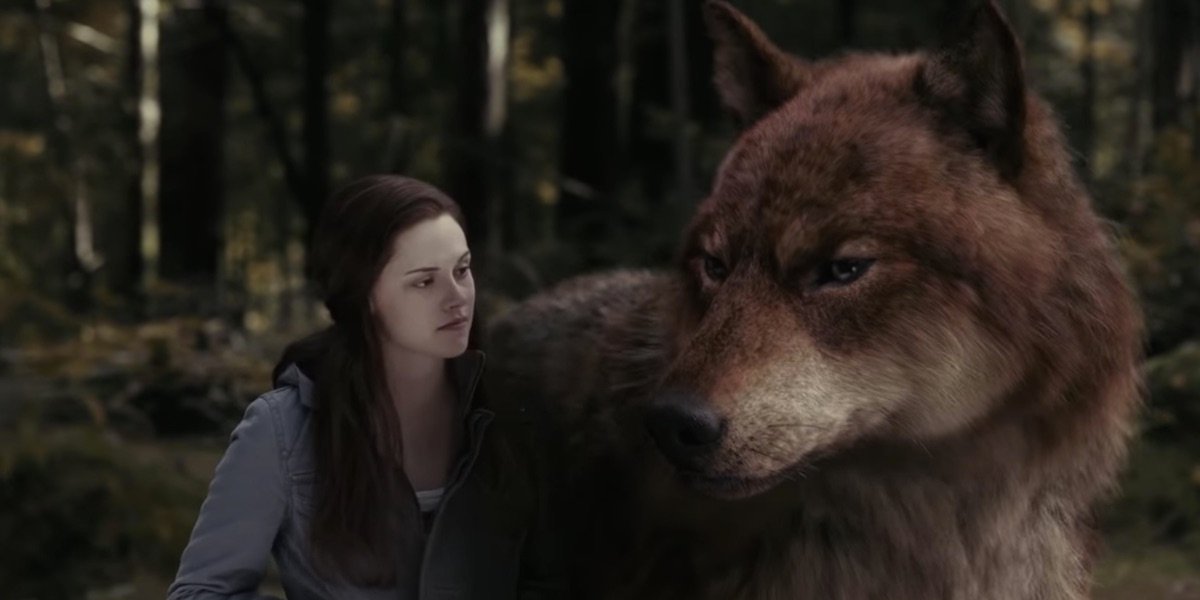
Werewolves are usually just big wolves, or occasionally an overly-hairy humanoid with a wolf head and claws. I can handle that. All dogs are really just good boys.
Spirits
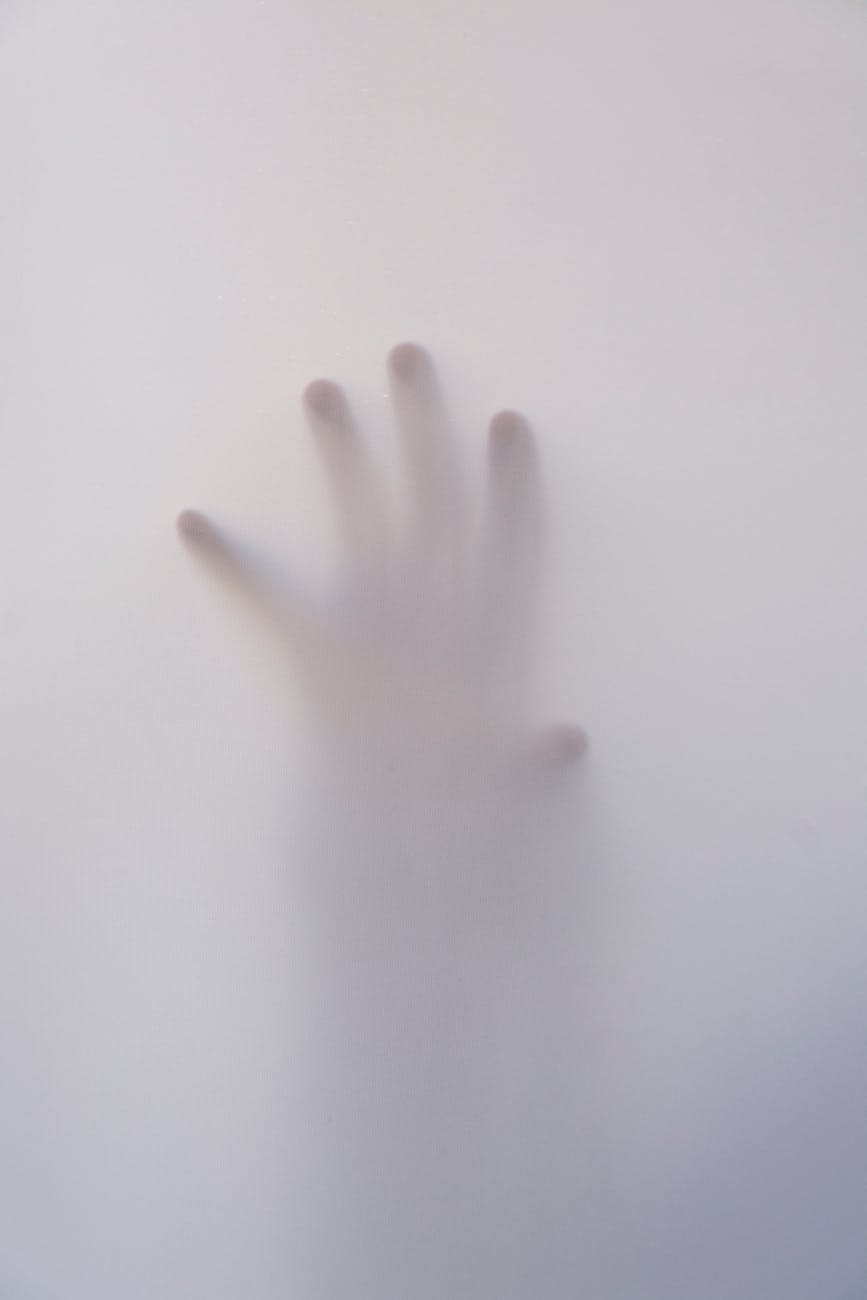
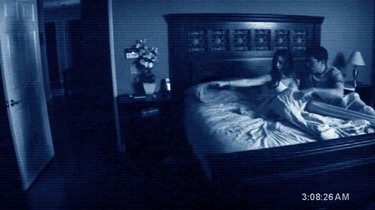
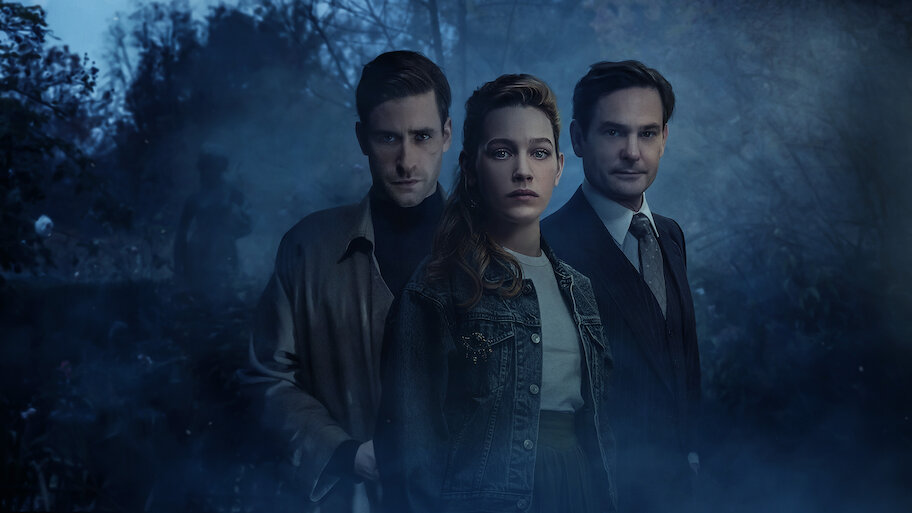
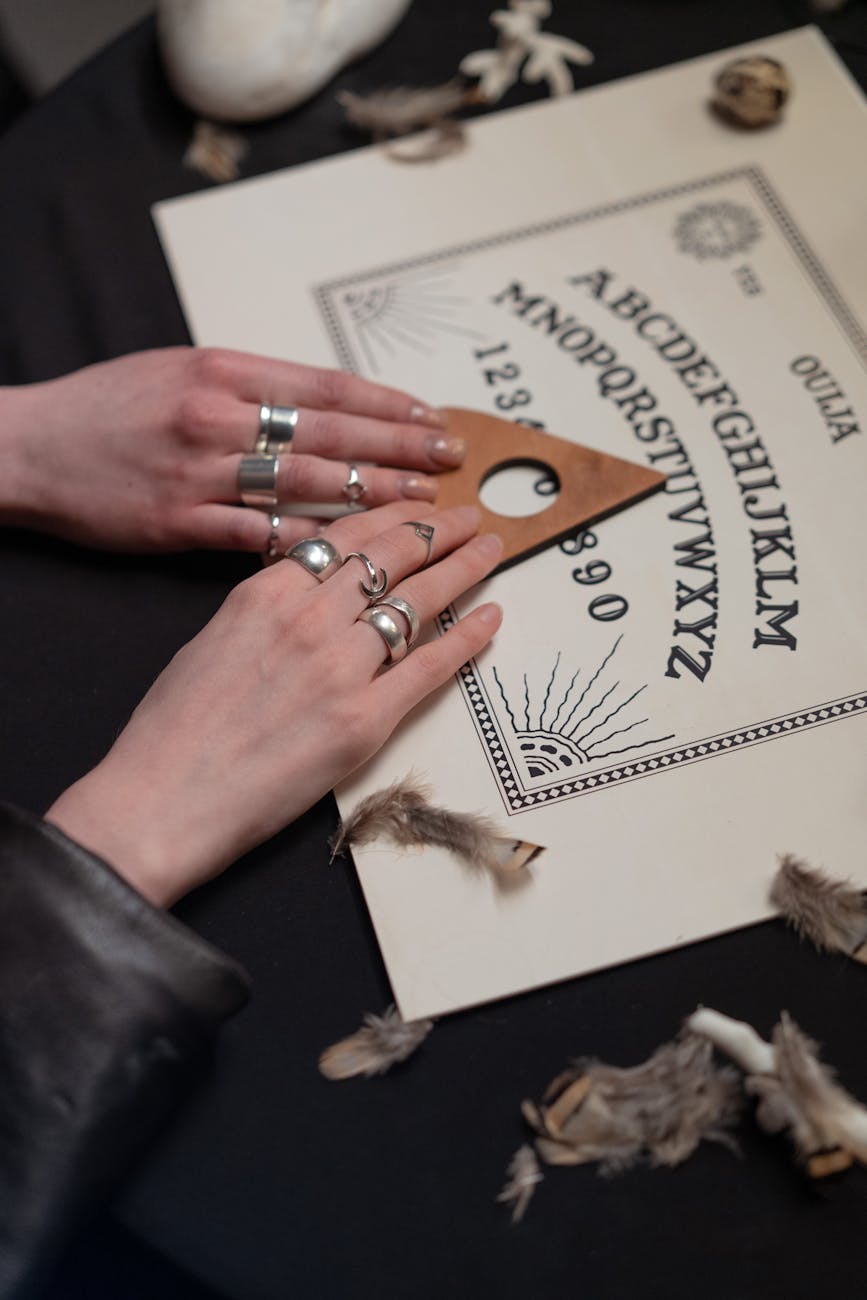
My favorite examples: Paranormal Activity, The Haunting of Bly Manor, Ouija: Origin of Evil
Spirits, ghosts, poltergeists and other phenomena caused by the soul of a deceased person are humanity’s classic self-comfort about the idea of something after death. Many credible cases of ghost sightings can be linked to natural causes such as mold poisoning and sulfur deposits, though there are a lot of true believers in a spirit’s ability to cross over to the world of the living.
Deadliness: 4/5
Spirits can be seen to drive people to the brink of sanity, often indirectly as the people around the victim tend to disbelieve their claims of spirit visitation (looking at the gaslighting husbands of every haunted house movie).
This can cause people to act abnormally and often harm themselves, as seen in Shirley Jackson’s The Haunting of Hill House, and spirits can also take over people’s bodies, using them to harm themselves or others.
Scariness: 4/5
Depending on the medium and depiction, spirits can scare the crap out of me. See last week’s article for my raving about Paranormal Activity. I also watched a lot of A Haunting as a kid, and back then some of those visuals really got to me.
Demons
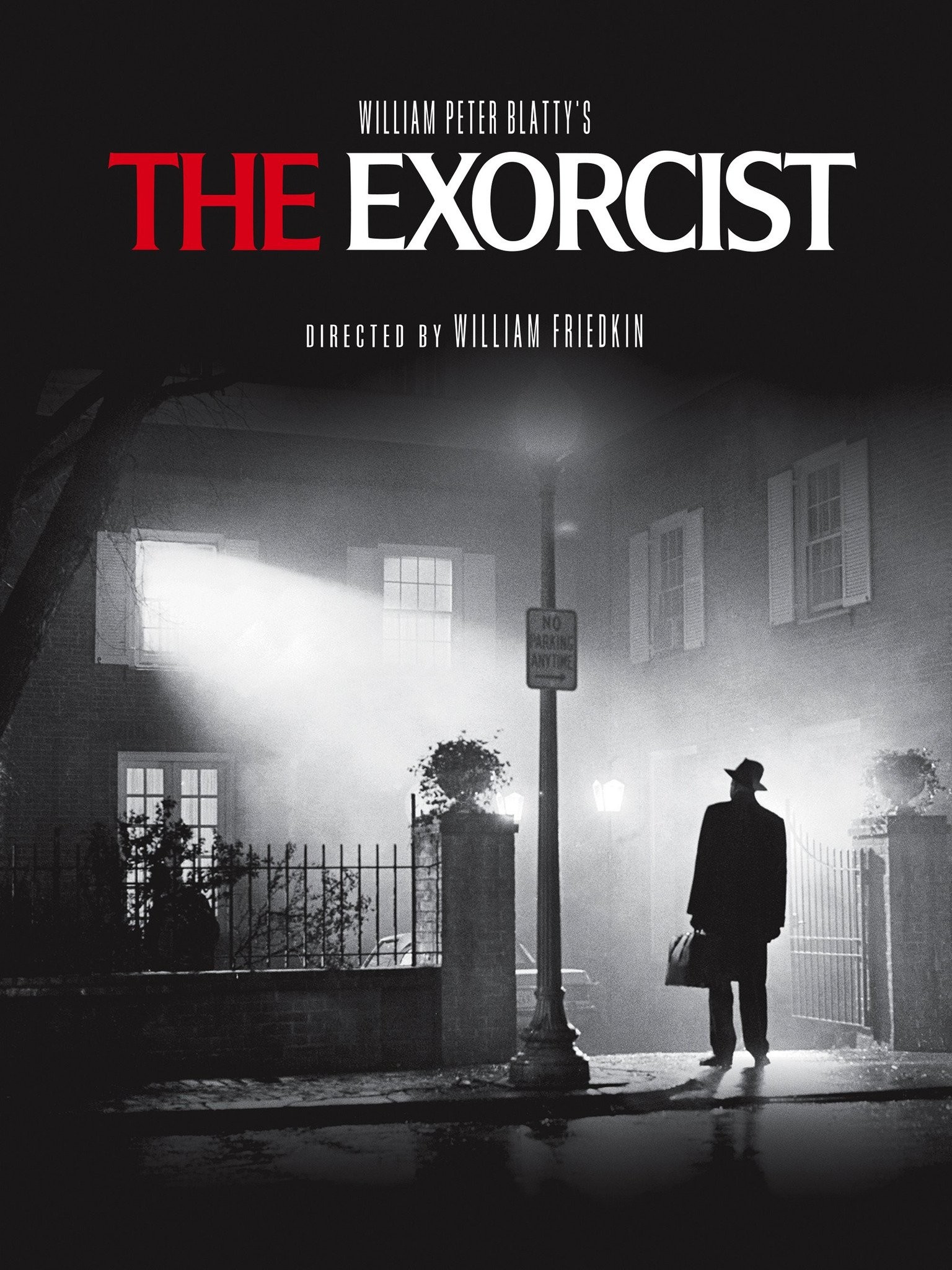
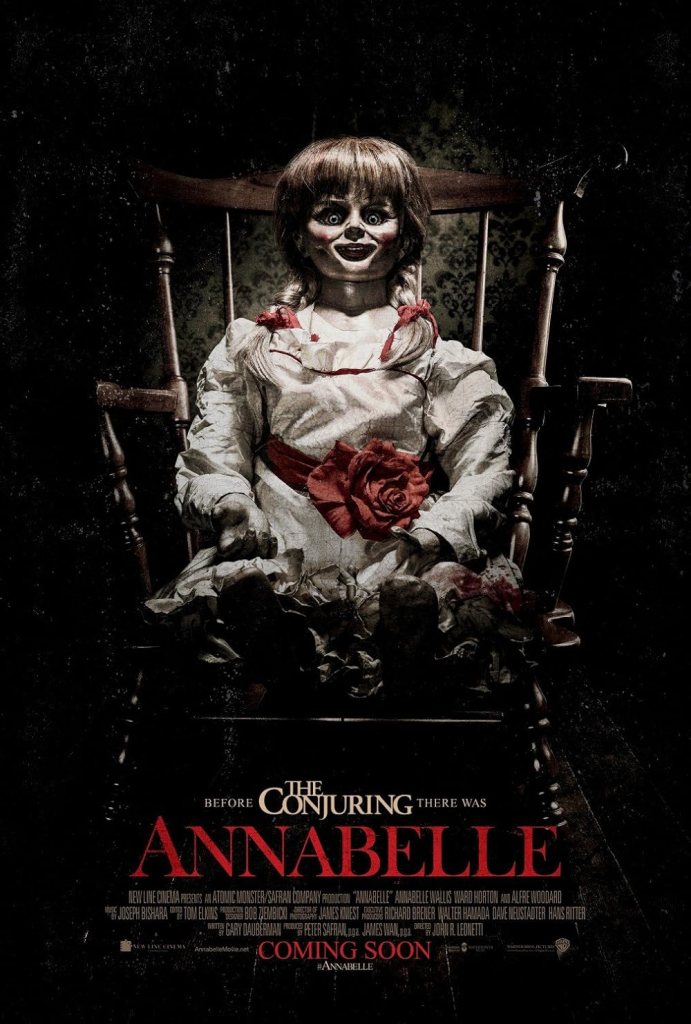
My favorite examples: The Exorcist, Insidious, Annabelle
These guys have been the scapegoats for literally any kind of affliction or attitude problem imaginable since even before Christianity, with which demons are most often associated. Someone who fell sick, had a seizure, suffered from Bipolar Disorder, or any number of other issues, might have been assumed to be possessed by a demon in the past.
Deadliness: 5/5
Demons are vulnerable to exorcism, but they are also very good at preventing exorcisms from being completed or even taking place (as seen in Supernatural). It is a commonly-agreed upon trait of a demon to fixate on a particular person and not give up until that person is dead or another soul takes their place in hell (as seen in Annabelle). Demons often incur a high body count in media before ultimately being defeated, and that defeat is often revealed to be incomplete or temporary at the end.

Scariness: 5/5
Demons have so much spooky potential, since appearing in their own shadow forms is a great scare (think Insidious), but they are known to be able to possess nearly anything, from dolls to ordinary objects. Plus, they do things to deliberately frighten their prey, making them more willing to give up their soul to receive respite.
Zombies
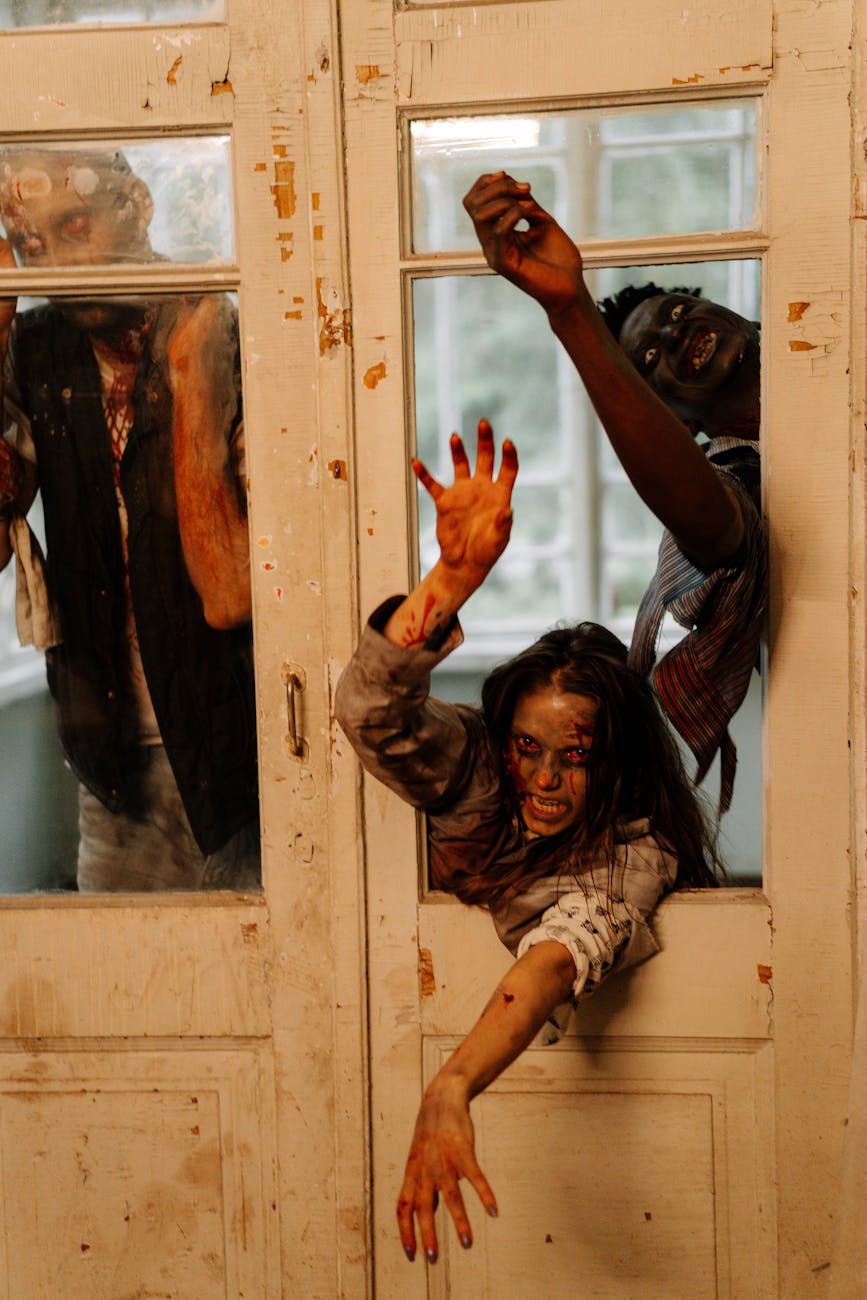
My favorite examples: The Walking Dead, World War Z, The Last of Us
Zombies have gone through cycles of being huge in American media, but did you know that they have African religious roots? According to Lakshmi Gandhi at NPR, the word itself has African derivations, and the development of the voudou religion in colonial Haiti propelled the myth to basically what we know today as the zombie: reanimated deceased people, forced forever to serve their slave masters and never return to their homelands.
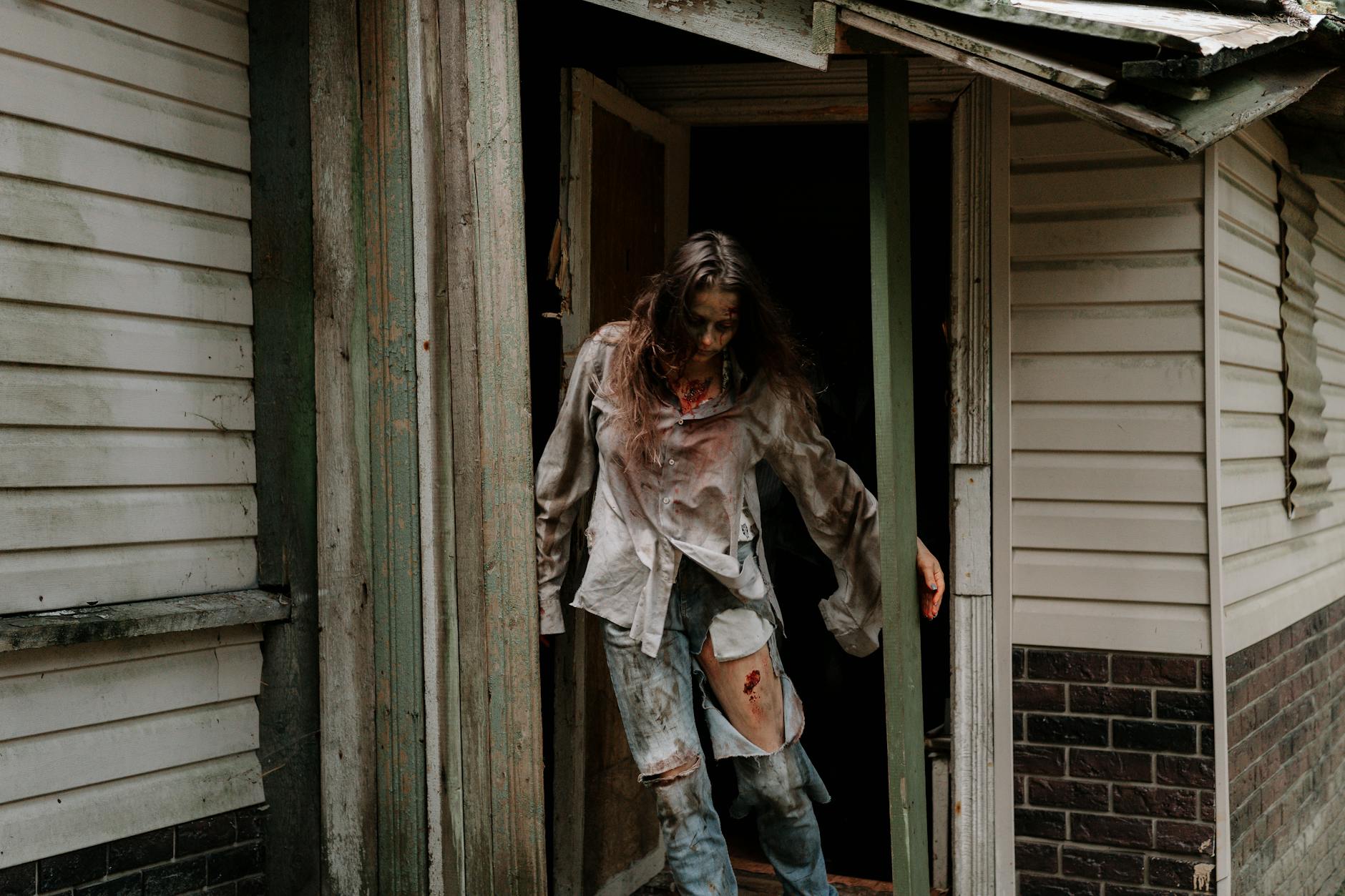
Deadliness: 4/5
This depends on the medium we’re examining, as some zombies are slow and stupid, while others can run very fast and act in cooperation to scale walls and take down groups. In my favorite examples listed above, you’ll notice those are all mostly fast-moving zombies, which are the hardest to fight.
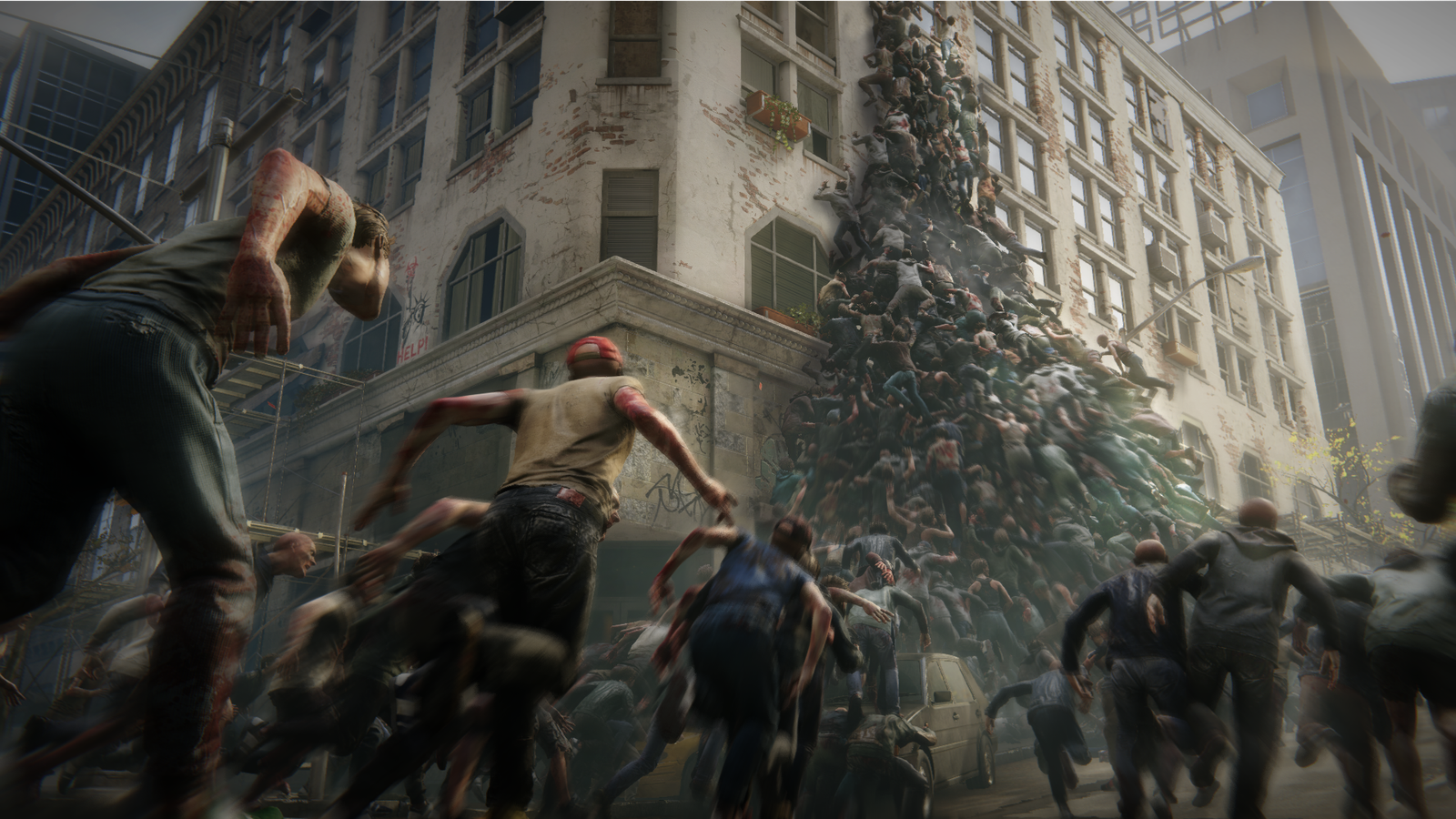
Once bitten or scratched by a zombie, unless it’s directly following the injury, the victim is basically done for. There’s no cure once you’re infected, no prevention aside from physical barriers, though they can usually be killed with a strike to the head or outright decapitation.
Scariness: 4/5
For me, fast-moving zombies are the scariest, which I think most people would agree with. A fast, gross zombie such as the bonies in Warm Bodies are absolutely horrifying, and they have a great potential for body horror, such as the oft-featured partial zombies in The Walking Dead, where a body can still be animated in any torn-apart state as long as the head hasn’t been damaged.

Slashers
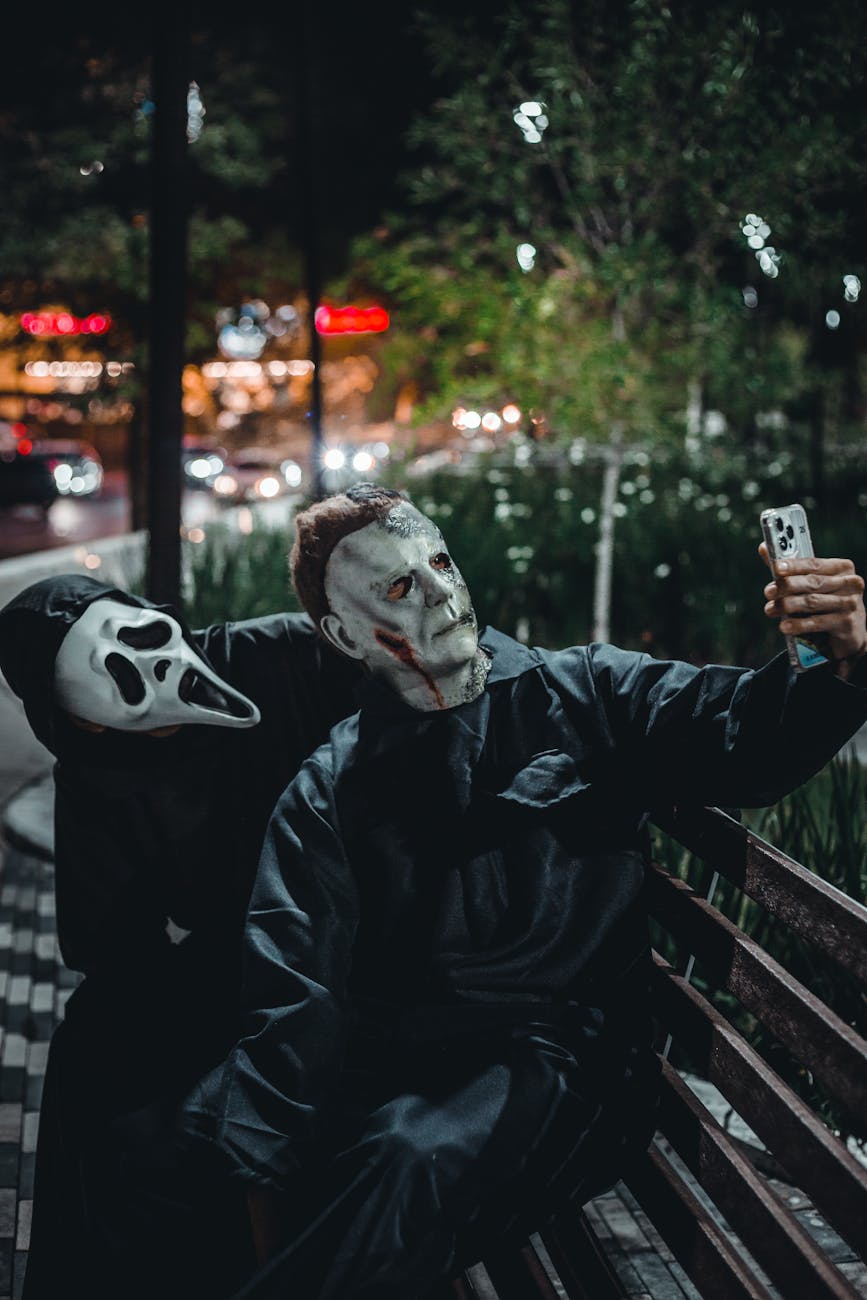
My favorite examples: I Know What You Did Last Summer, Wrong Turn
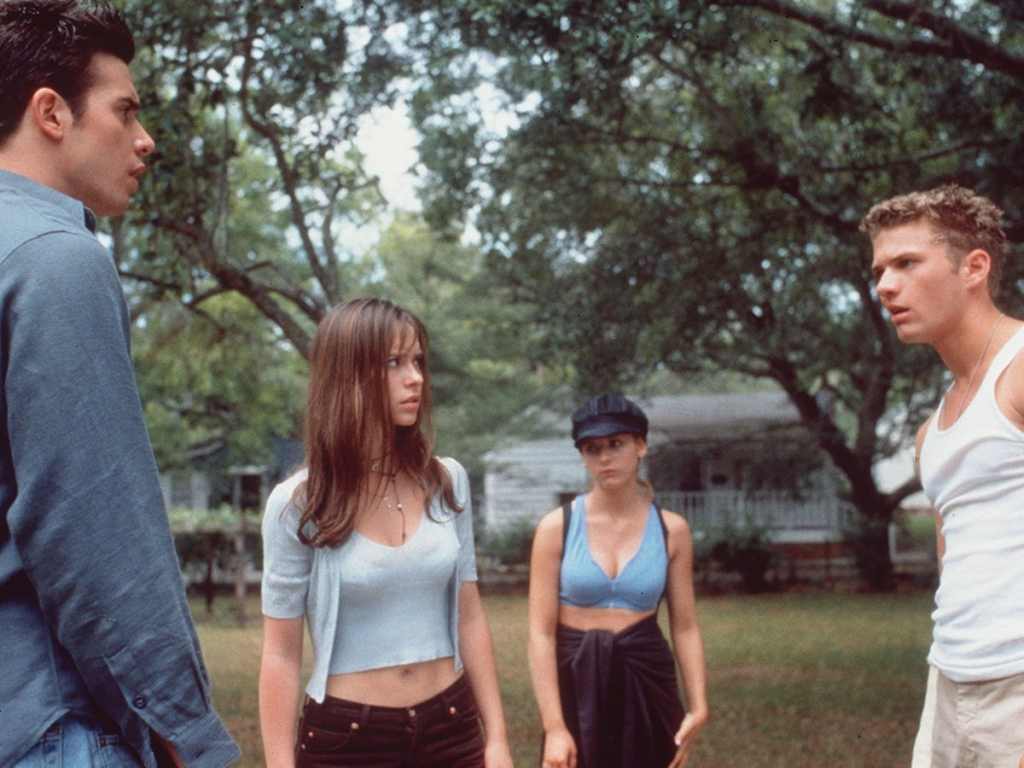
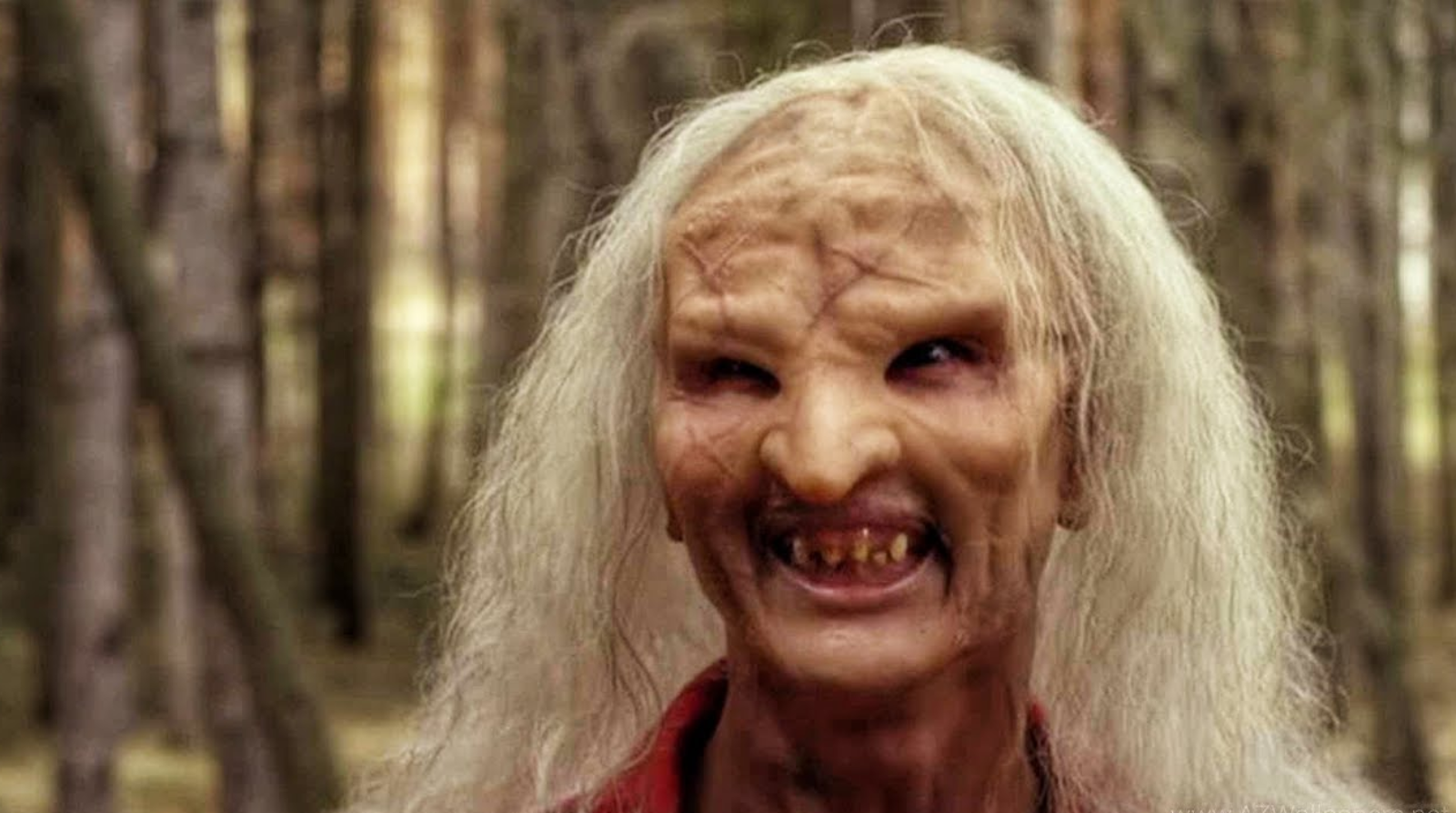
Slashers came about in the mid-nineteenth century in the film industry, most considering the origin of the killer-focused thrillers to be either Psycho or Black Christmas. Most of the time, slashers are humans who hide their identities while going on killing sprees, which are often triggered by trauma in their past, and most people killed are somehow linked to this past event. Slashers can be found in a multitude of flavors, and are more commonly found in horror movies than books.
Deadliness: 2/5
Slashers are, most of the time, just humans with high endurance. They usually have an iconic weapon of choice used for most kills, and most of these are melee/handheld weapons, so slashers often have to rely on stealth and traps to catch their victims. They can be avoided by staying in groups and arming oneself with weapons to fight them.
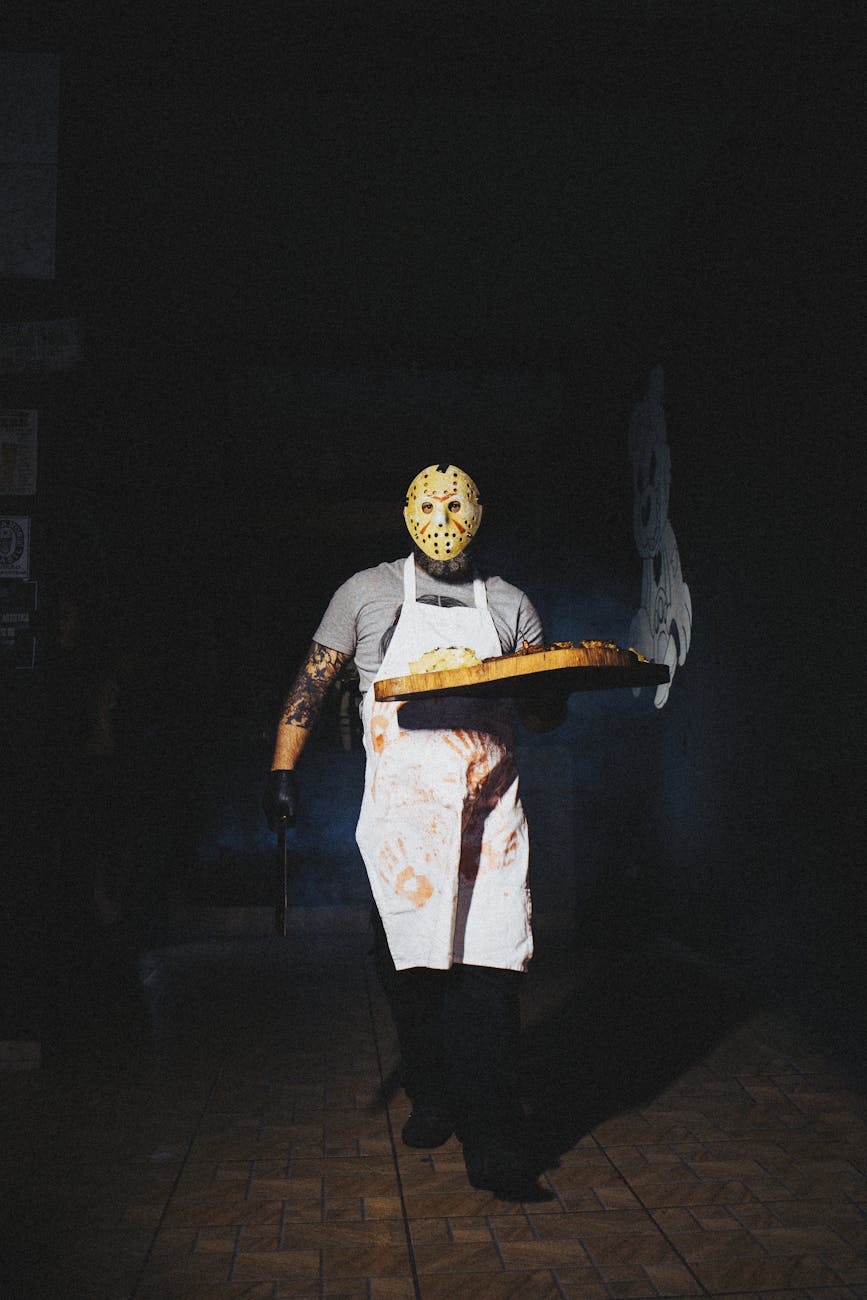
Scariness: 1/5
Slashers are just people. They can wear costumes or masks, but underneath, they’re always just people.
Folk Gods
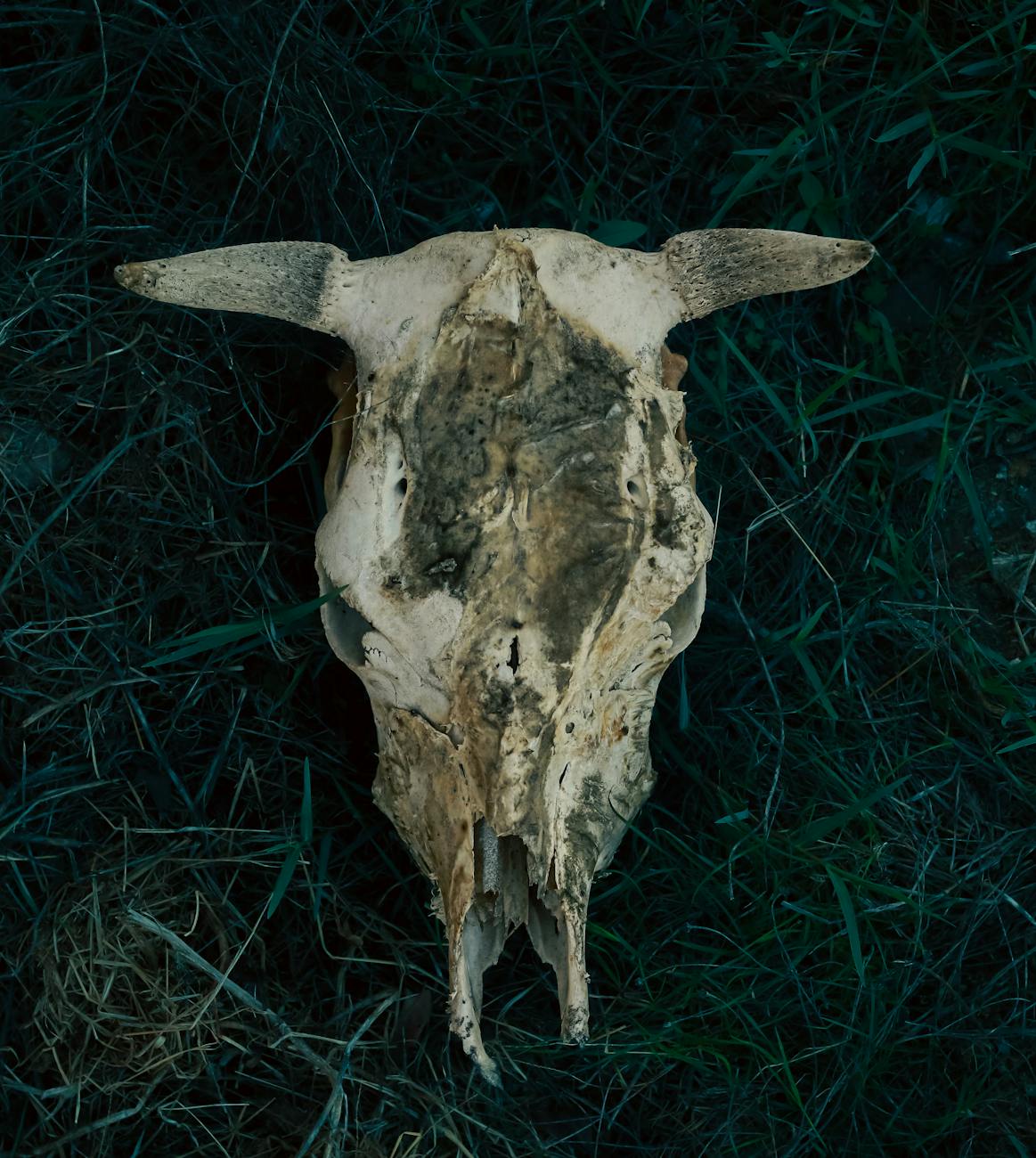
My favorite examples: Hereditary, Slewfoot by Brom, The Watchers by A.M. Shine, AHS: Roanoke

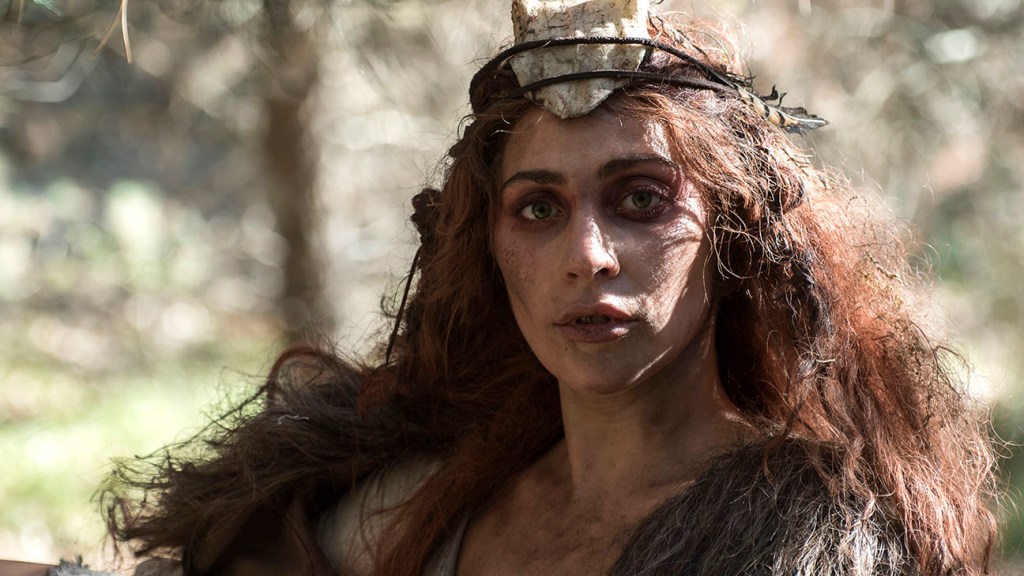
This category can be very broad and expansive, encompassing really any culture with deities linked to nature. These deities usually act in the interest of preserving their environment, either through recruiting worshippers or killing those who try to interfere with their territory.
Deadliness: 5/5
These deities can use the forces of nature in their territory to kill you in a million different ways, such as animals, trees and plants, bodies of water, and their dedicated worshippers. They can attack by both natural and supernatural means, and can be incredibly hard to predict.
Scariness: 5/5
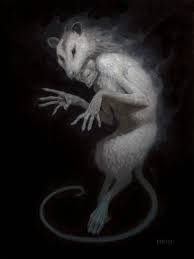
Again, these deities can use almost anything at their disposal to take out interlopers. The creepiest choices are definitely humanoids with animal heads, forest cryptids such as the wendigo and forest sprites, and natural bodies like lakes. So much potential for creepy here.
In my rankings, the winners are Folk Gods and Demons, both with total scores of 10. Generally, I tend to stay in these areas when picking my horror, as I have the most fun with these two types of creatures. They’re both very hard to survive and have so much potential for scares.
What’s your favorite creature? Do you agree with my rankings? Are you more into psychological scares than creature features?
Creatures are an important ingredient in the soup of many horror movies. They can give us nightmares, ruin objects for us (dolls), or make us feel a little bit better about the horrors we face in real life, like disease or the threat of serial killers. I hope to encounter many memorable creatures in my enjoyment of horror media this month!
Works Cited
Dowling, Stephen. “The real-life diseases that spread the vampire myth.” BBC, 31 October 2016. https://www.bbc.com/future/article/20161031-the-real-life-disease-that-spread-the-vampire-myth
Gandhi, Lakshmi. “Zoinks! Tracing The History of ‘Zombie’ From Haiti to the CDC.” NPR, 15 December 2013. https://www.npr.org/sections/codeswitch/2013/12/13/250844800/zoinks-tracing-the-history-of-zombie-from-haiti-to-the-cdc
This content was written and created by a human, without the use of any artificial intelligence tools. The authors do not authorize this article’s usage in training AI tools. We proudly support the original works of creators and individuals over technology that steals and manipulates original content without consent of creators.

 Pen and Sword Blog
Leave a comment