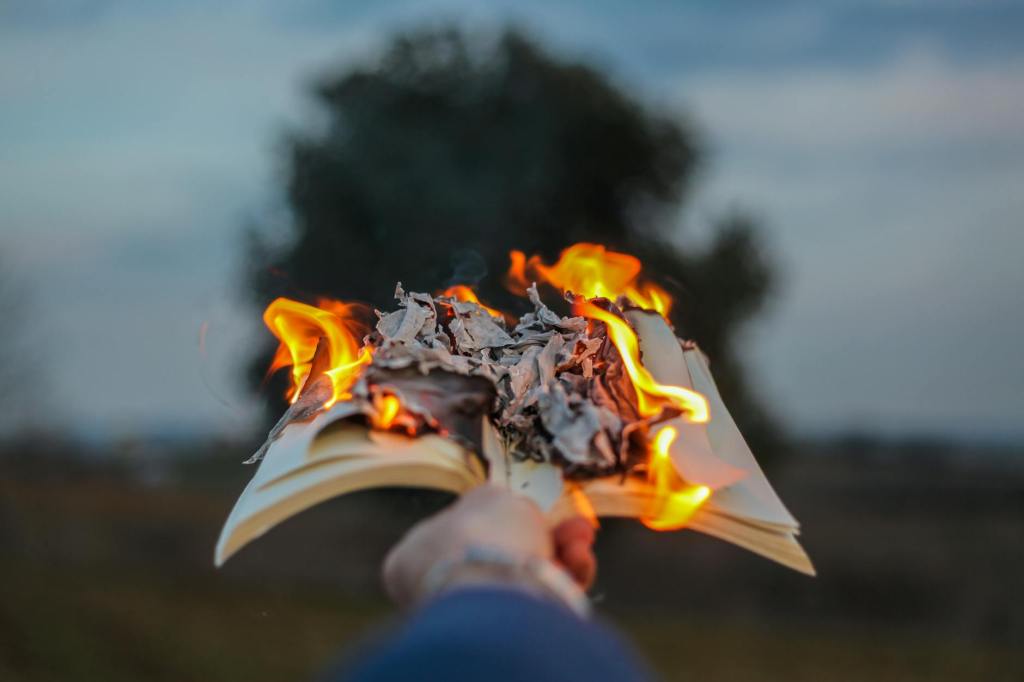

Technically, I’m a day late, but let’s ignore that fact and enjoy some books, shall we? Reading banned books is important now more than ever, in a day and age where what we engage with is being heavily scrutinized and limited, especially for children. There are hundreds of books, new and old, that are being banned/challenged for their ideology. No matter who is lobbying to ban a book, readers should ask themselves why. Why would someone feel threatened by this book? Why should we fear the message it shares? And why would it be better to pretend it doesn’t exist at all? To celebrate this important week, here are a few of my personal favorite banned books, and why I think you should read them. Some of these books are being challenged now, and some during their long history of publication, and some have only sparked debate of whether they should be allowed or not.
Gender Queer by Maia Kobabe (e, em, eir)
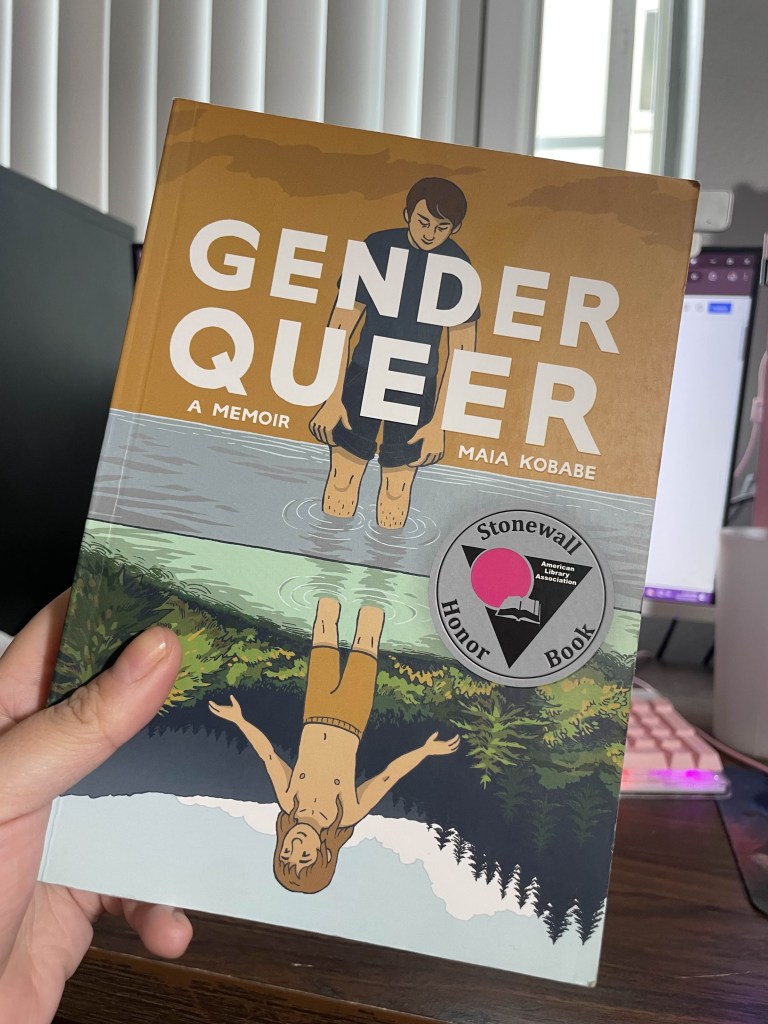
I got this book for free during college, as part of an event where the library gave out free books every week. This one caught my attention right away, as gender and sexuality are topics that I think are important to read up on, regardless of your personal identities and orientations. As someone with many close queer friends and family members, and with a questioning identity myself, this was a very informative read.
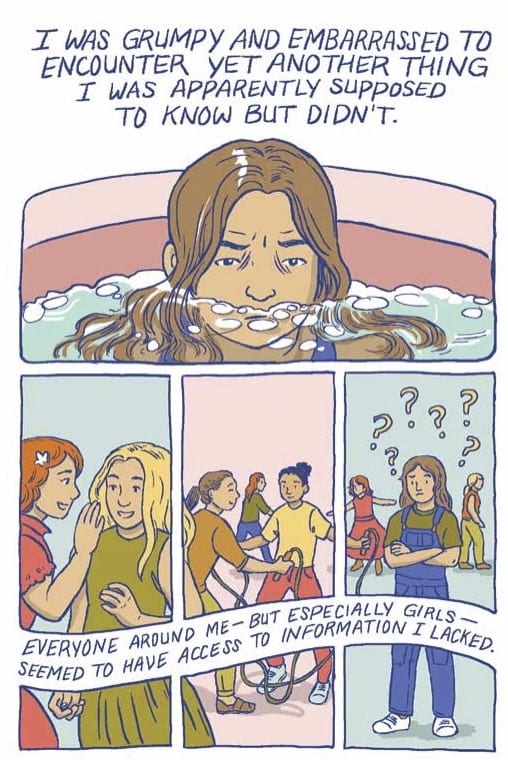
The book is a graphic novel style memoir that gives insights on the author’s journey to discover eir identity. Maia details eir experiences growing up, many of which are very relatable to those reading. About the stigmas surrounding gender-norms like shaving your legs, having crushes, and even AFAB individuals starting their periods. So much of this book I personally found relatable, like growing up as more of a tomboy, struggling during puberty with the changes happening to my body, and feeling like I was behind the other girls my age when it came to beauty and being feminine. It even goes over more adult topics, like getting a pap smear. And while now I am very self-assured in my usage of she/her pronouns, this book really helped me to feel confident in how I thought about my personal identity.
‘Indoctrination’ is one of the words commonly thrown around when it comes to books and media with queer representation, but I find that so silly. Sure, learning about LGBTQ identities may make you question your own self, but in the end, they serve to help you fully realize yourself. This book didn’t make me trans or non-binary or gender non-conforming, but helped me to ask the right questions about myself and feel assured about how I’ve identified my whole life. It helped me put my gender in perspective with myself and the world, and remember that even identifying as a female is a spectrum. Some of us are moms, some are asexual, some are tomboys or hyper-feminine. There’s no one way to be a woman, just like there’s no one way to identify or relate when other talk about their gender experiences. And I came to all of these conclusions in part to my reading and sharing of this book.
Maia also shares eir experiences with finding safe spaces, having these hard conversations about sex and gender, and how much of a struggle it can be. This whole book was comforting to read, not because I’m sadistic and liked hearing about someone else’s struggles, but rather because it gives me comfort to know that young readers can learn about GSA programs in their schools, or how they can experiment with their sexuality and gender without having to feel guilty. Life is all about learning. We don’t stop changing once we hit puberty, and we shouldn’t try to. Gender Queer is a wonderful read, no matter your personal relationship to the LGBTQ+ community. I think everyone can learn something from it, and think that it deserves a place in libraries where anyone with questions about gender can find some solace.
Fahrenheit 451 by Ray Bradbury
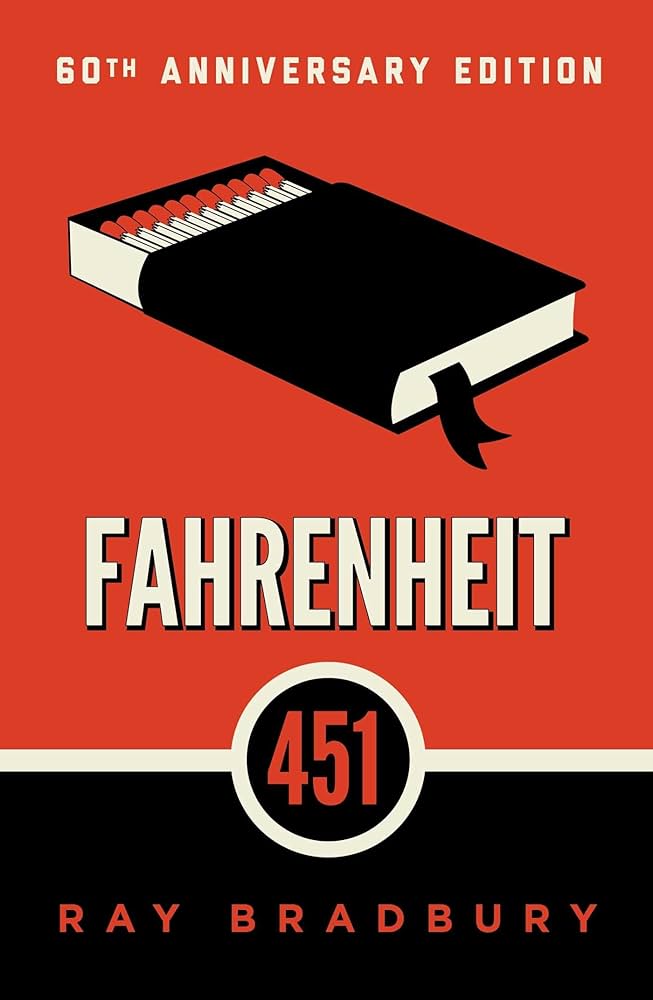
I didn’t read this book in high school, but got to it during my student teaching, where this was the book that I would help teach to the senior creative writing class I taught. I had such an enjoyable time with this book, focusing on dystopic literature, plot lines, characters, and more. At the end of the unit, we did a Socratic Seminar, where my students had an amazing and engaging conversation about the novel and their thoughts on it. It was great to see, and I couldn’t imagine teaching these students without this book. Why does it scare people so badly?
It’s because we’re living in it today. Bradbury predicted so much about our modern day lives when he wrote this book. He wrote of whole rooms used for virtual conversations and media, reflecting VR experiences and AI chat bots. He predicted earbuds that people would constantly be wearing, limiting their contact with the world around him. He predicted shortened attention spans to the point that people can’t read anymore. And he predicted the mass banning of books, due to hysteria and confusion and the way they call attention to topics and emotions that many would rather ignore, to the point that nothing written was allowed. You know. The reason this week exists in the whole place.

This book is a phenomenal warning that foreshadows what we today are very rapidly approaching. And I’m not going to pretend like I’m not immune to the effects of modern day living. My attention span is not what it used to be, and I can struggle to read physical books. I enjoy my time online and playing games and avoiding touching grass. But I think the biggest point brought up by Bradbury is the access to books, and the elimination of their insight. Books can make us uncomfortable, especially when they’re about something we’re unfamiliar with. Change and learning is scary. It actually should be, because it should drive us to learn more and make the unfamiliar familiar. But in real life and in Fahrenheit 451, people instead turn away, reject what’s foreign, and shut it out. And not just from their lives, but for everyone around them. Information should be accessible, whether we agree with or relate to it or not. These are the freedoms that we’re rapidly losing. The freedom of speech and information and to make our own opinions. If we ban books, we’re forced into a way of thinking, because we never know the other way exists. I’d rather have the ability to disagree with and communicate with others around me than be forced to have the same opinion as them due to a lack of information. Knowledge is power. What the government in the novel, and protestors IRL are doing is removing our access to information and media that makes us human. Bradbury was writing to us now, and this book is even more relevant than when it was written 75 years ago.
The Catcher in the Rye by J. D. Salinger
This book is a little less heavy/relevant than the two above when it comes to current bans and controversy, but it’s one that I actually read in school. It opened my eyes to a lot of struggles that people my age could face, and to the importance of mental health awareness. The main character, Holden Caulfield, recounts a weekend long mental breakdown he had, where he had many highs and lows, where he gets in fights, partakes in substance abuse, visits and fights with friends, family, and teachers, before he eventually is too sick to continue and is admitted to a mental institute to recover. This book has been challenged for its topics of sex, alcohol and drugs, vulgar language, and potentially romanticizing rebellious behavior. While all of these are certainly present, when you view the novel with the proper lens, it becomes less sensationalized.
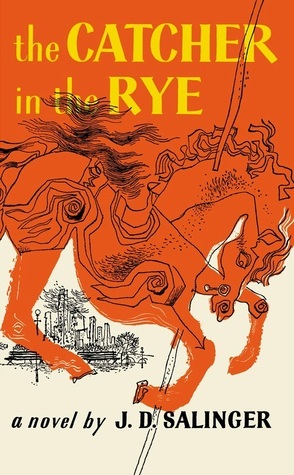
After reading the book, my classmates and I had a group assignment where we tried to diagnose Holden’s symptoms and explain his behaviors. We came to a common consensus on major depressive disorder and manic bipolar disorder, of course, but one of my classmates suggested that there could be even more, like child molestation, that we weren’t privy to. This was the first time I remember encountering such a topic in a conversation, and it helped to open my eyes to dark truths that I didn’t want to think about. I was uncomfortable, but I’m glad she mentioned it. Sometimes people are prone to things like depression and bipolar disorders, but Holden could also be a victim of more.
Regardless of how you diagnose him, it’s clear that Holden is a young man with great struggles and emotional turmoil. The book does not outright condone his actions, since it’s told from Holden’s perspective, but as readers we see the consequences of his actions and witness his downfall at his own hands. It does not romanticize a weekend long manic bipolar bender, but lets the reader into the head of someone who clearly needs help. I don’t think readers come out of the book wanting to break down crying in front of a sex worker, get in meaningless fights, and wander through the streets of New York cold and alone. But Holden is a character so well written that he could be real today. And his struggles are ones that people should be aware of. There are people around us everyday that face many of the same problems has Holden, and they all deserve the proper help and attention that Holden does eventually get. Just like we shouldn’t shy from gender exploration or the freedom of knowledge, we also shouldn’t shy away from the harsh realities of mental health.
To Conclude…
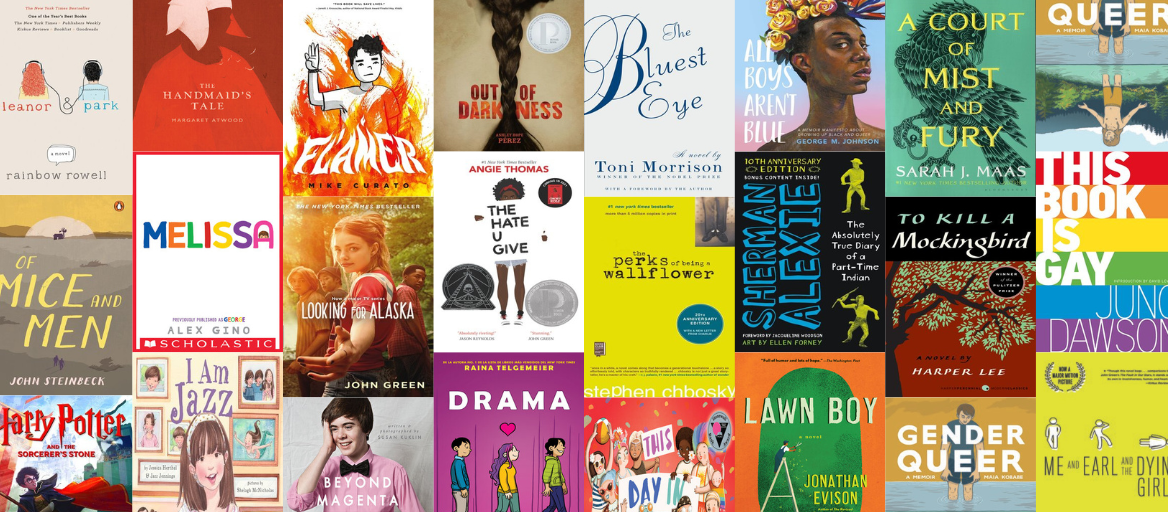
There are SO many more books I could have included here, including ones that I haven’t read yet but now intend to. But then this article would be several thousand words long and I’d lose a ton of you. But know that every book that’s being banned is because of fear, ignorance, and prejudice. They are stories that deserve to be told. Censorship is one of the scariest things I hear about, and it’s something especially at the front of my mind considering how it directly affects my field. When I am a teacher, these are just some of the books that I will likely have in my classroom. Not to indoctrinate or influence my students, but rather to give them the resources they need to learn more, reach there own conclusions, and see new perspectives that they may never have learned of.
Read banned books! Support their inclusion in libraries! Read things that scare and challenge you, until you come to understand them and they don’t scare you anymore. Knowledge is power, friends. Don’t let anyone make you weak.
Quick October writing goal update: I was sick a few days of this week, so I unfortunately got pretty behind on all fronts. These things happen, and I avoid beating myself up for things that I can’t control. But I have gotten an extra article for next week already finished, so there’s one plus! Hopefully next update I’ll be back on pace again and can share some better news.
This content was written and created by a human, without the use of any artificial intelligence tools. The authors do not authorize this article’s usage in training AI tools. We proudly support the original works of creators and individuals over technology that steals and manipulates original content without consent of creators.

 Pen and Sword Blog
Leave a comment