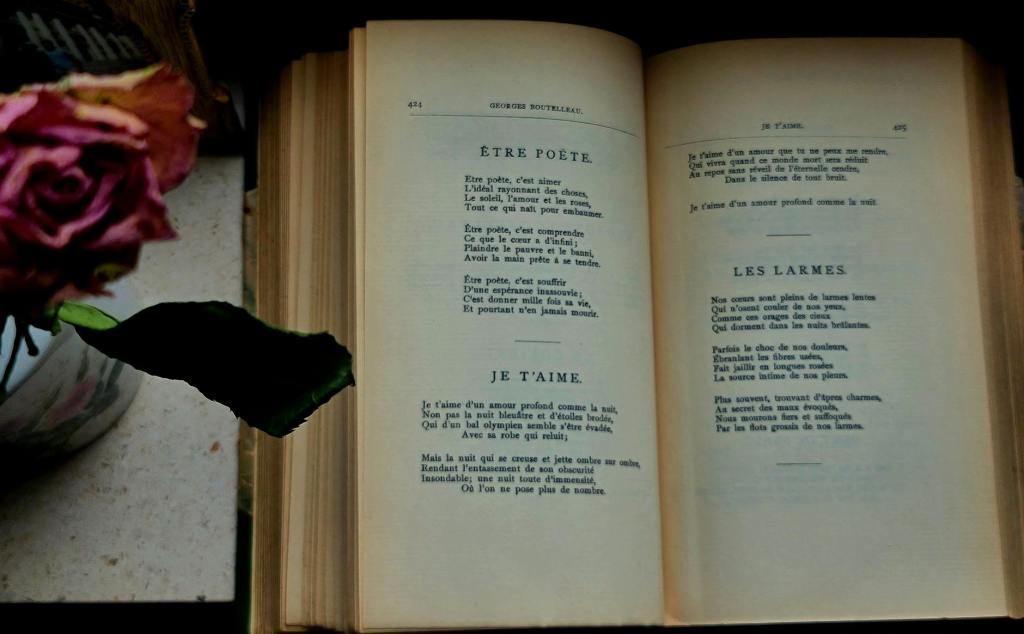
Poetry is something I explored a lot in college, growing my skills, interest, and drafts of various poems. Most of them come from my own experiences, putting to words that which usually cannot. I won’t sit here and say that I had a very hard life, or that I have poignant struggles and realizations that the world must hear. But instead I hope that many can relate to me. How many of us have dealt with divorce, felt torn between two sides of an argument, lost family, and/or struggled internally with identity and beliefs? Probably most of us. This is where I chose to write from, and it helped me immensely.
There was one thing I struggled with more than anything when it came to my poems. And that was authenticity.
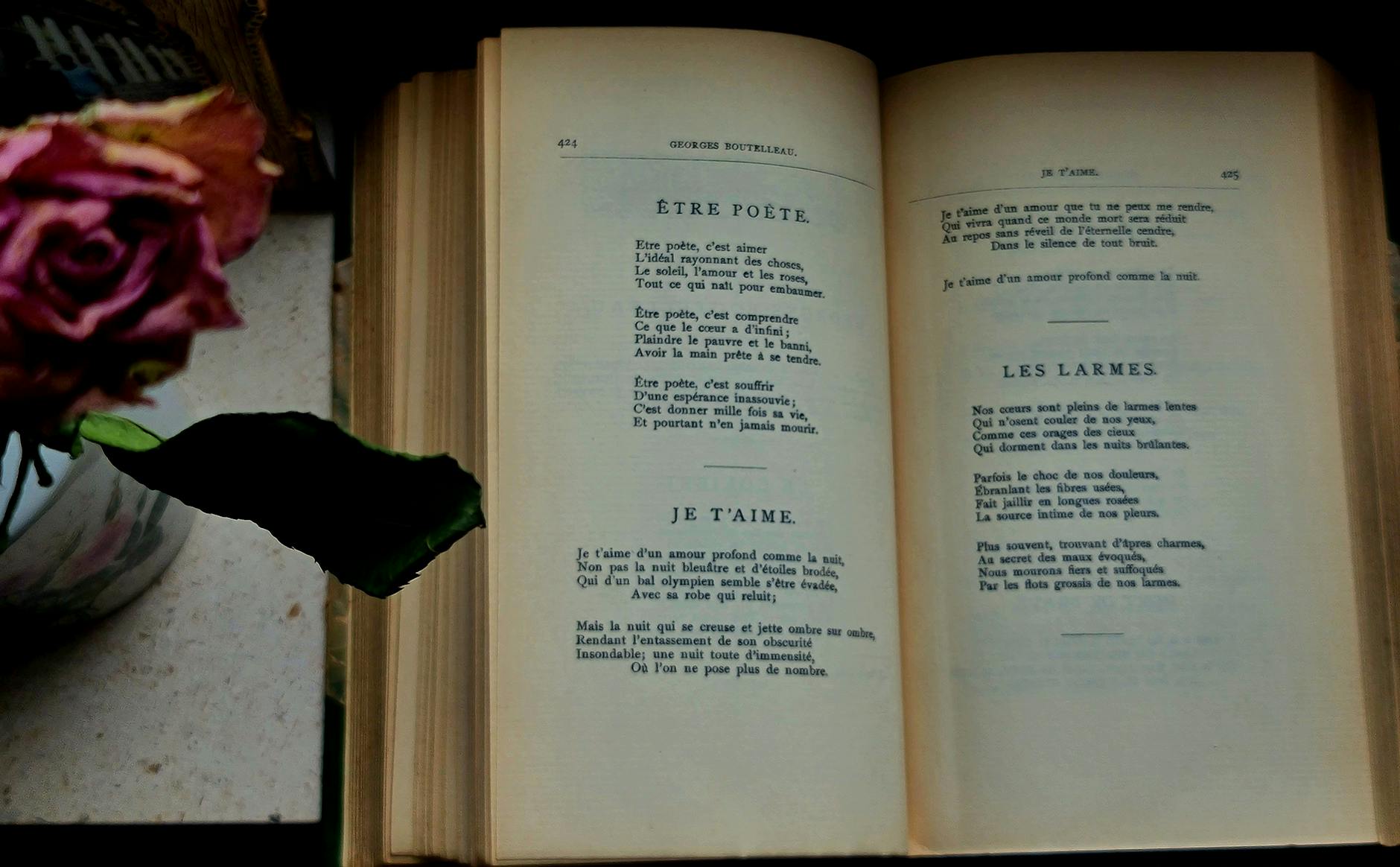
See, since I was writing from such a deeply personal place, it felt like every detail needed to be true. It felt wrong to over hyperbolize or stretch moments or add details. Then the poem wouldn’t be true. It may as well be about a totally different person if it wasn’t wholly authentic.
Logically, I knew that this hiccup was hindering me. The author of a poem is different than the speaker within the poem. Just as poets use figurative language, I could let my poems be figurative snippets of my life, not necessarily literal ones. And it’s not like anyone was going to fact check me, right? So why was I finding such a hard time with this? Why did it feel like I was lying?
Around this time in my predicament, I was enrolled in a poetry class by my favorite poet and professor, Taneum Bambrick. In her course, we got the wonderful opportunity to read a few poetry books, then submit questions and get responses from the authors themselves. What a stellar way to get students engaged.
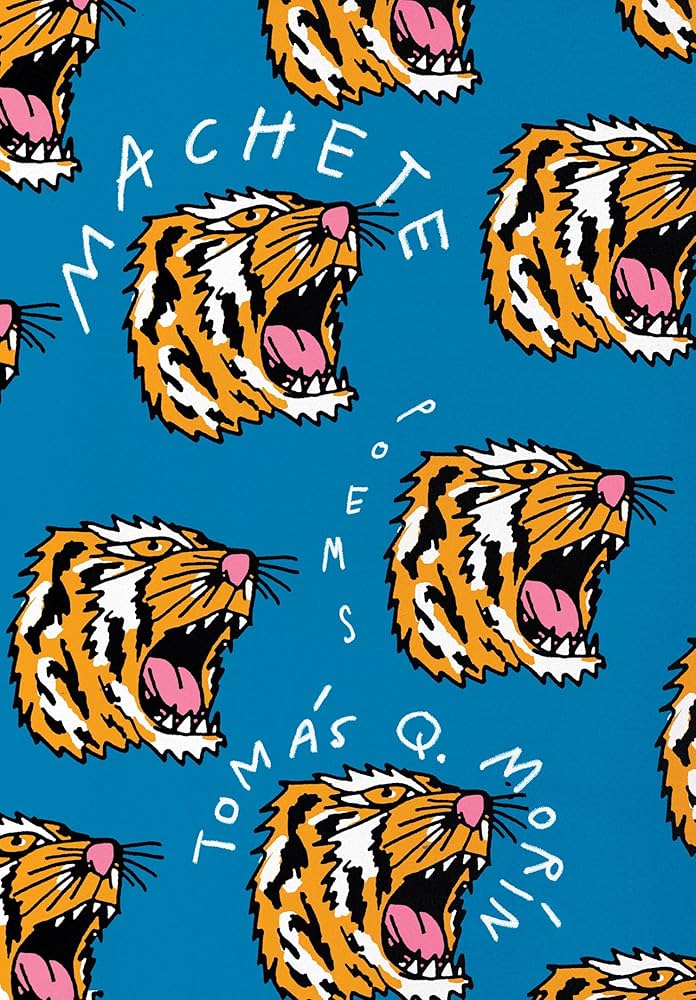
Our first author and book was Tomás Q. Morín’s Machete: Poems, which is a poignant and deeply authentic collection detailing centuries of the intersection between culture, violence, anger, and joy (My favorite poem from this book is ‘A Sigh’, which is one of my go-to poems to share with friends I corner). Morín seemed like the perfect person to answer my biggest question: how do I handle the difference between actual events and how I depict them in my poems without feeling like I’m losing authenticity?
Blessedly, my question was one that was answered during his video response to our class. While this was many years ago and I don’t quite remember all of what he said, one line will always remain with me: “Tell the Truth with a lower-case ‘t’ “.
Wow. I am still in awe when I think back on this. It may seem simple, but with just a few words, he changed how I felt about my work. My job as a poet is not to give a perfect account of my whole life. Not only is this not the point of poetry, but no one would read that. But instead, I can give the spirit of the truth, imbue my poems with the sense of what happened, and not require perfect authenticity.
It’s not like Morín told me “Do this with all of your poems”, but his advice almost gave me permission to let loose. To exaggerate. To bend details to serve the greater purpose of a poem or collection. And that’s what I needed. If a published poet told me that I could squeeze in a few extra details, and that they would be for my benefit, then who am I to say no?
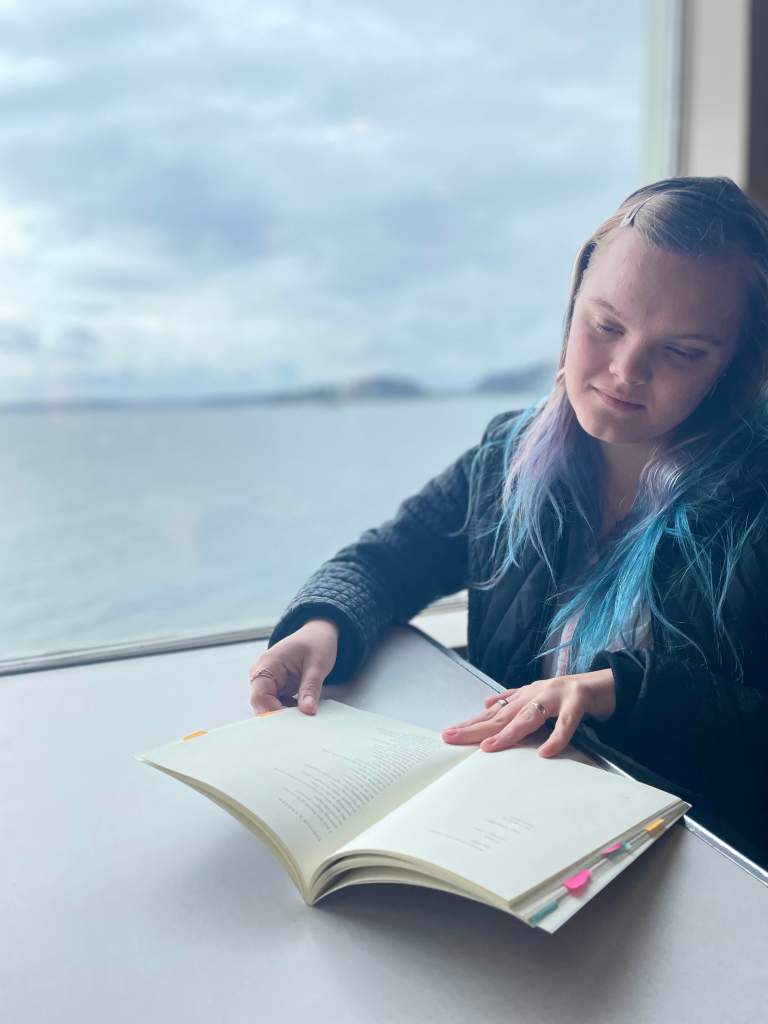
And just like that friends, I found myself jumping over the hurdle that once had stopped me. Don’t get me wrong, I still try to remain very authentic in my works, but now I find it easier to add to or cut back in order to serve the product as a whole. My poems are based on my life, not exact renditions that will hold up under any intense scrutiny of irl events.
I hope this helps any of you who may struggle with the same predicament. And maybe this will be a useful insight for those who enjoy reading autobiographical works. the Truth is important, but so is how a poet tells a tale. Sometimes, just the truth will suffice.
This content was written and created by a human, without the use of any artificial intelligence tools. The authors do not authorize this article’s usage in training AI tools. We proudly support the original works of creators and individuals over technology that steals and manipulates original content without consent of creators.


 Pen and Sword Blog
Leave a reply to Advice From My Fellow Aspiring Authors – Pen and Sword Press Cancel reply